
Salvage and Scrap Recovery
Tearing apart everyday objects from before the collapse: dismantle items on the spot, recover their components, and watch your hands-on skills sharpen with every wrench turn.
Tearing apart everyday objects from before the collapse: dismantle items on the spot, recover their components, and watch your hands-on skills sharpen with every wrench turn.
Tearing apart the furniture, clutter, and debris left inside any pre-collapse house or apartment, then refitting the cleared interior with your own crafting stations, storage, and defenses.
Leveling up workbenches with tier progression, salvage, repair, and exclusive blueprint guides — every craft a co-op partner runs contributes to the shared workshop level.
Standing up the electricity layer: player-built circuits balance power between generators and appliances, while the ruined city keeps its own dormant grid waiting to be brought back to life, district by district.
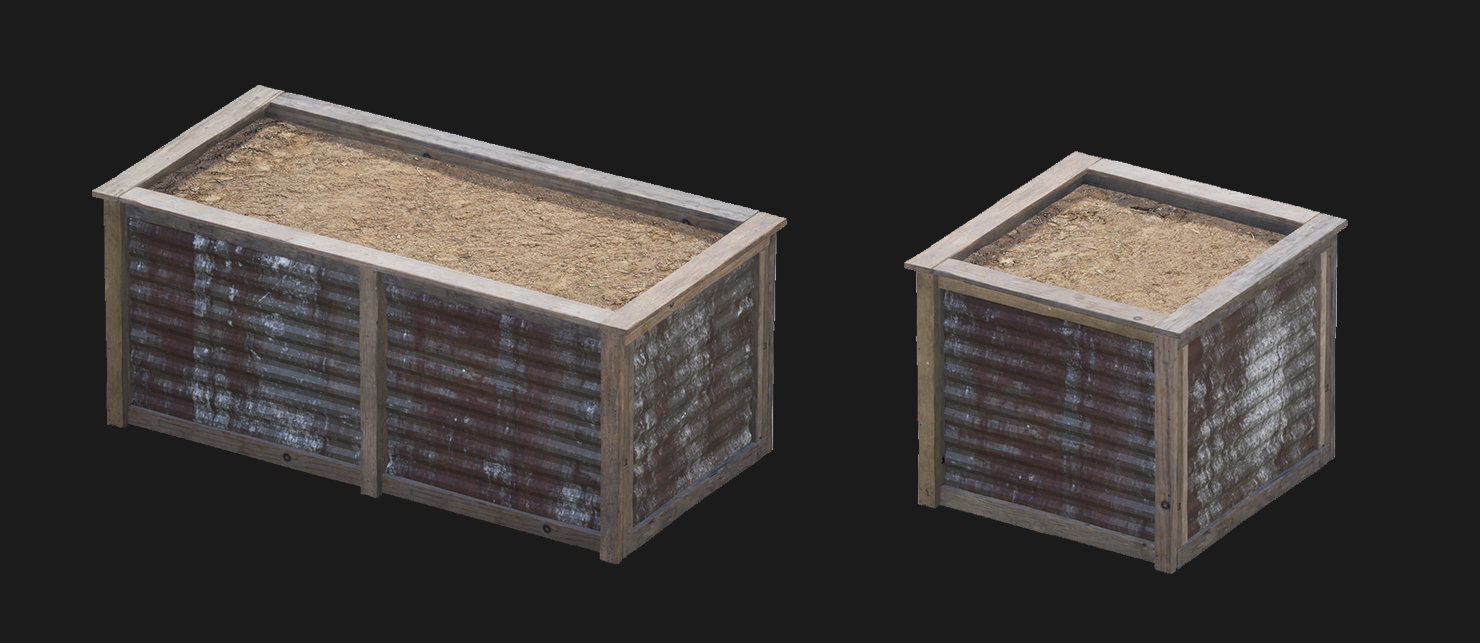
Rectangular planting box
Rebuilt the whole item stack from scratch: data-driven item definitions, server-authoritative inventory and equipment, loot pools, and world loot scatter, all backed by an extensive automated test suite.
Rebuilt base building as its own dedicated system: structural stability that reacts as pieces are placed or destroyed, snap placement, and full save persistence, validated by an extensive automated test suite.
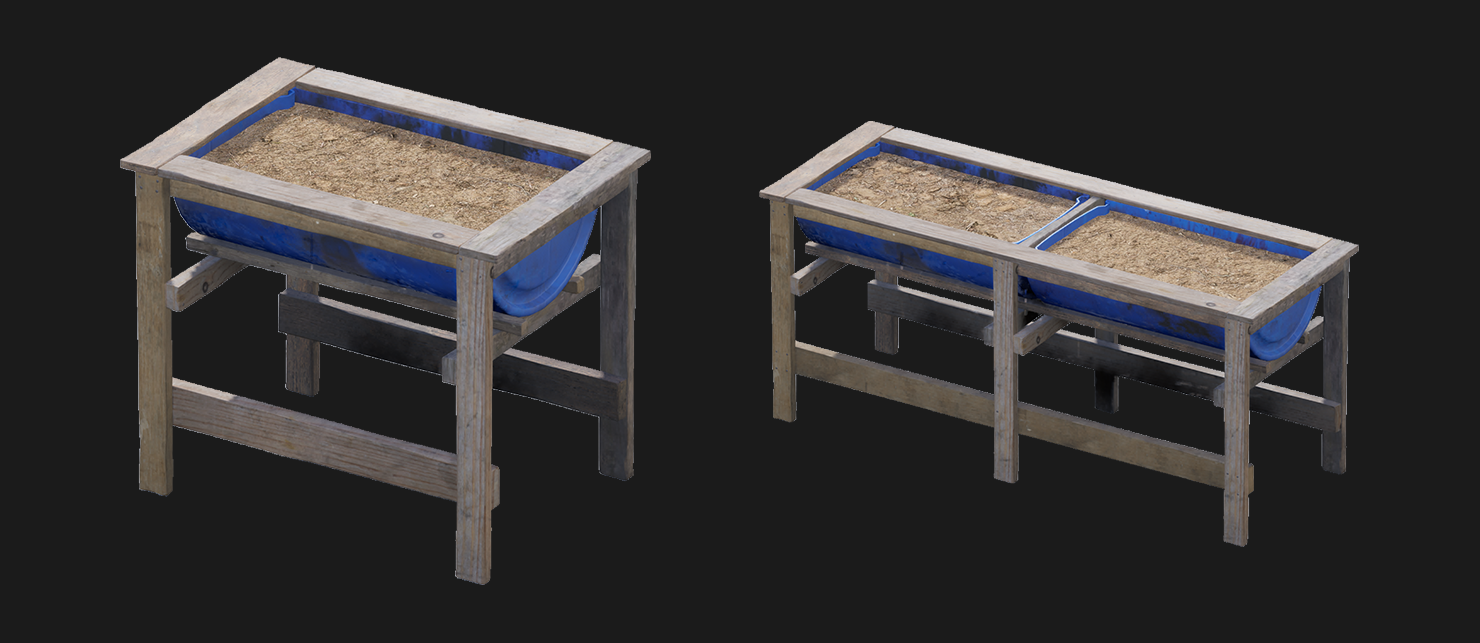
Planting barrel
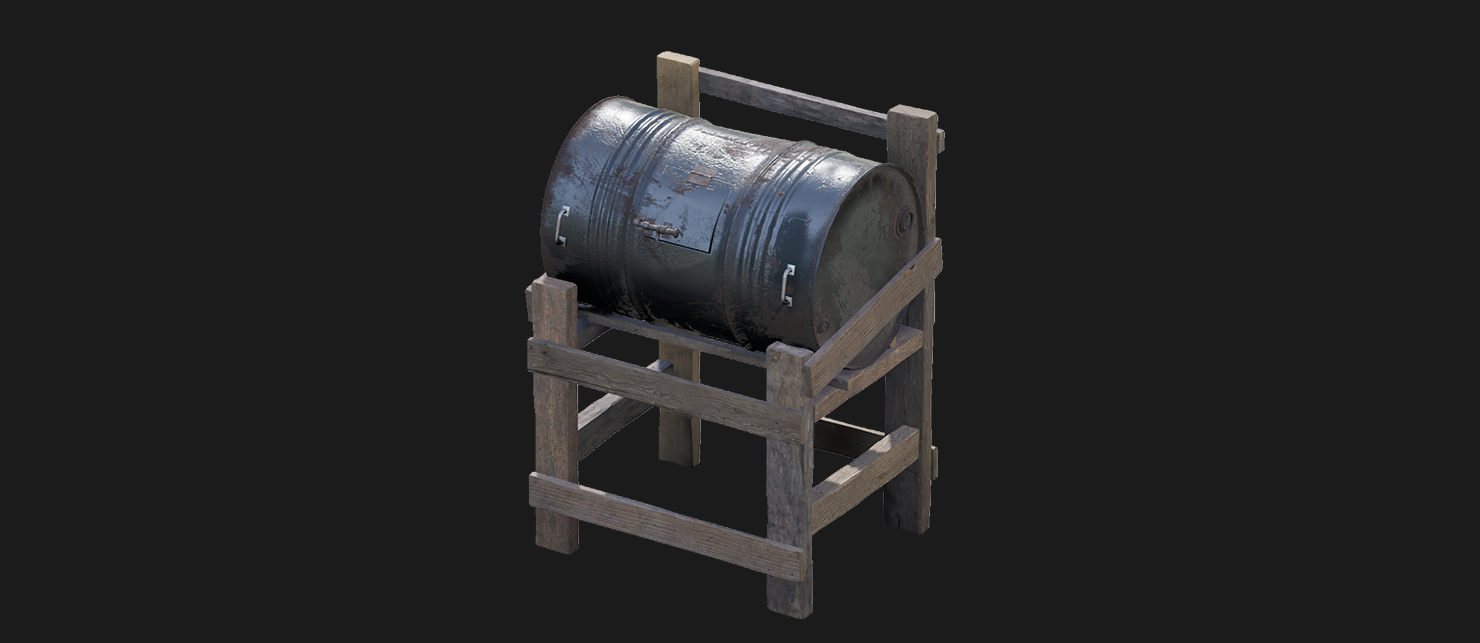
Composting station
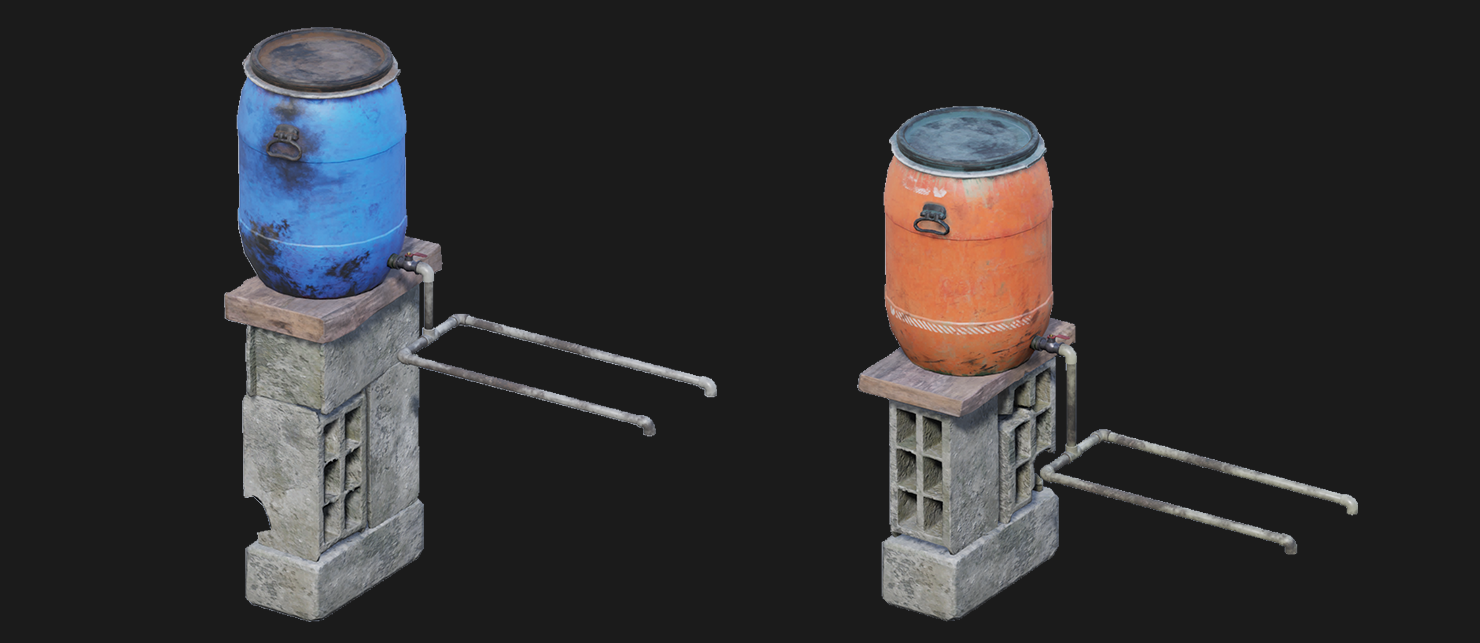
Automatic irrigation system
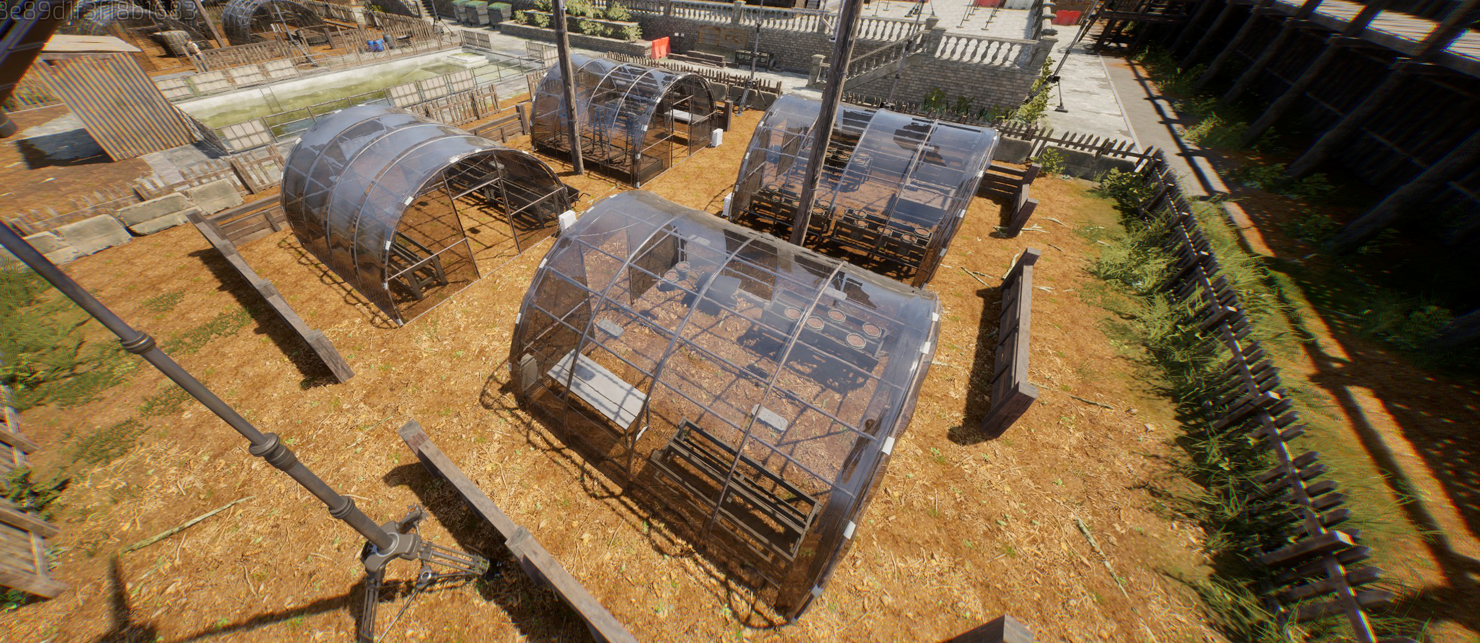
Tier 1 Greenhouse
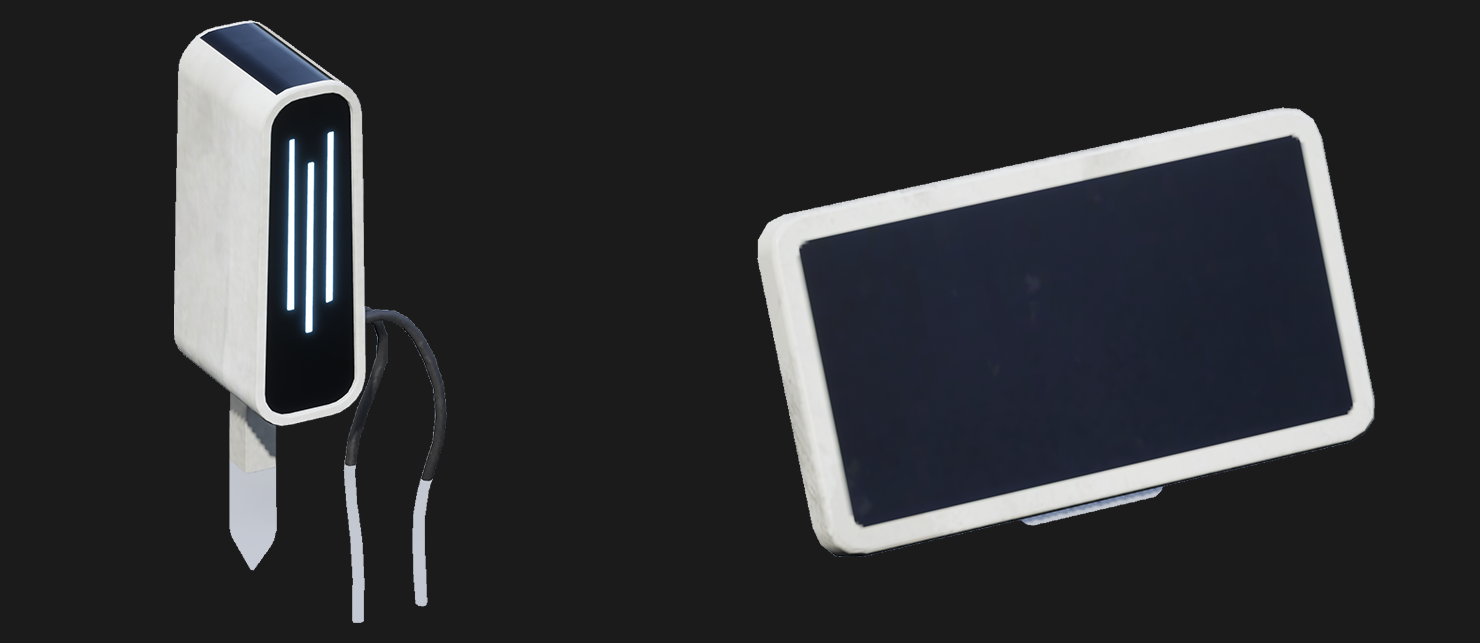
Crop monitoring system
Blueprint discovery system
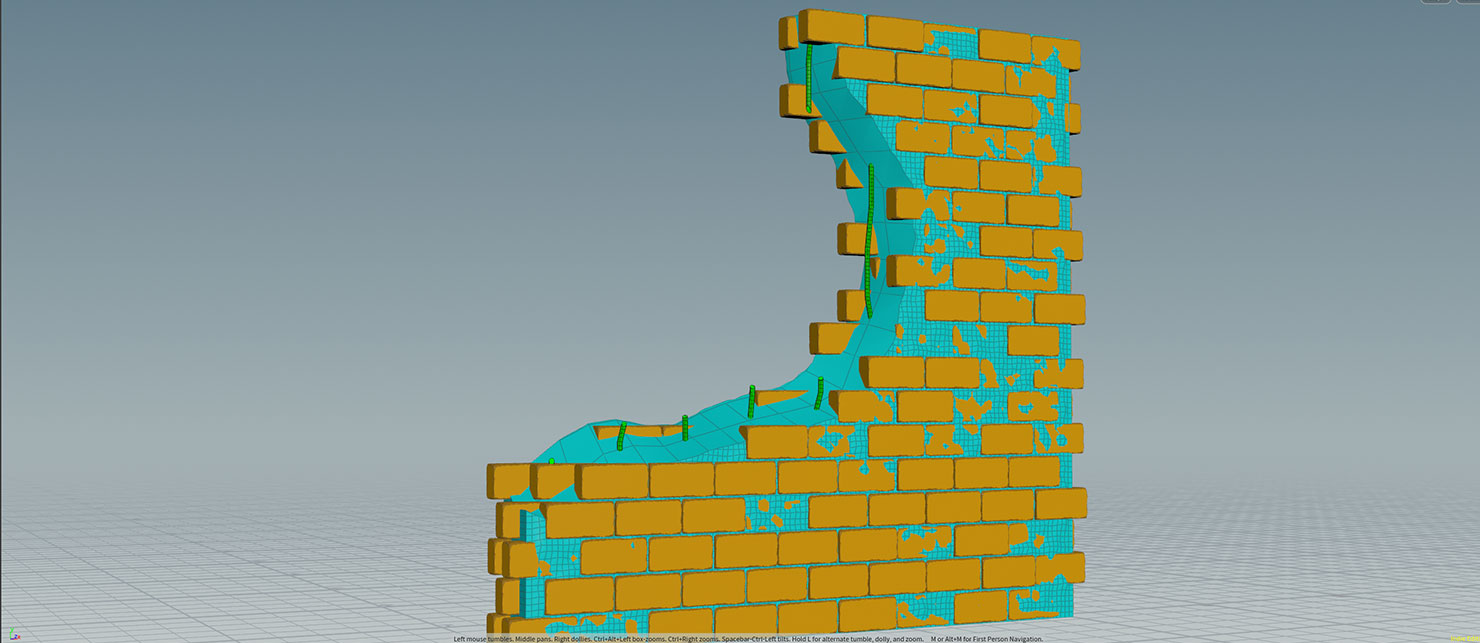
Procedural wall generator
Rainwater collector
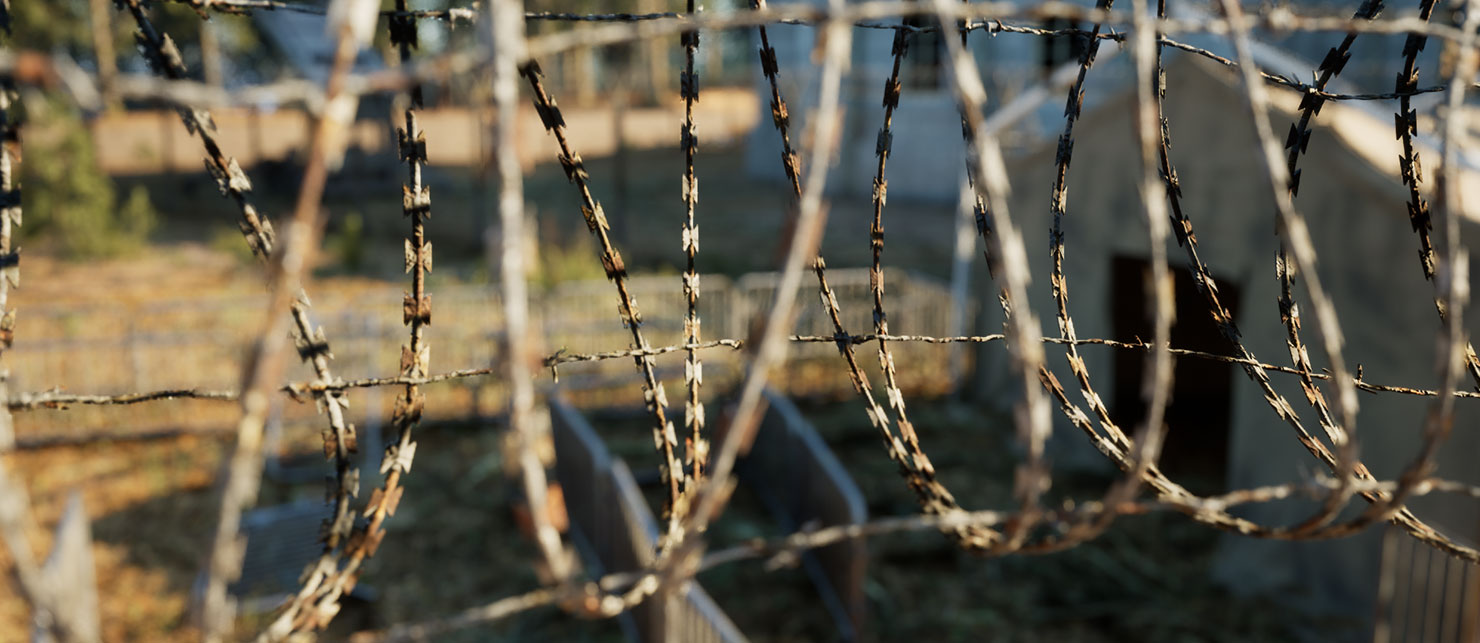
Procedural fence generator
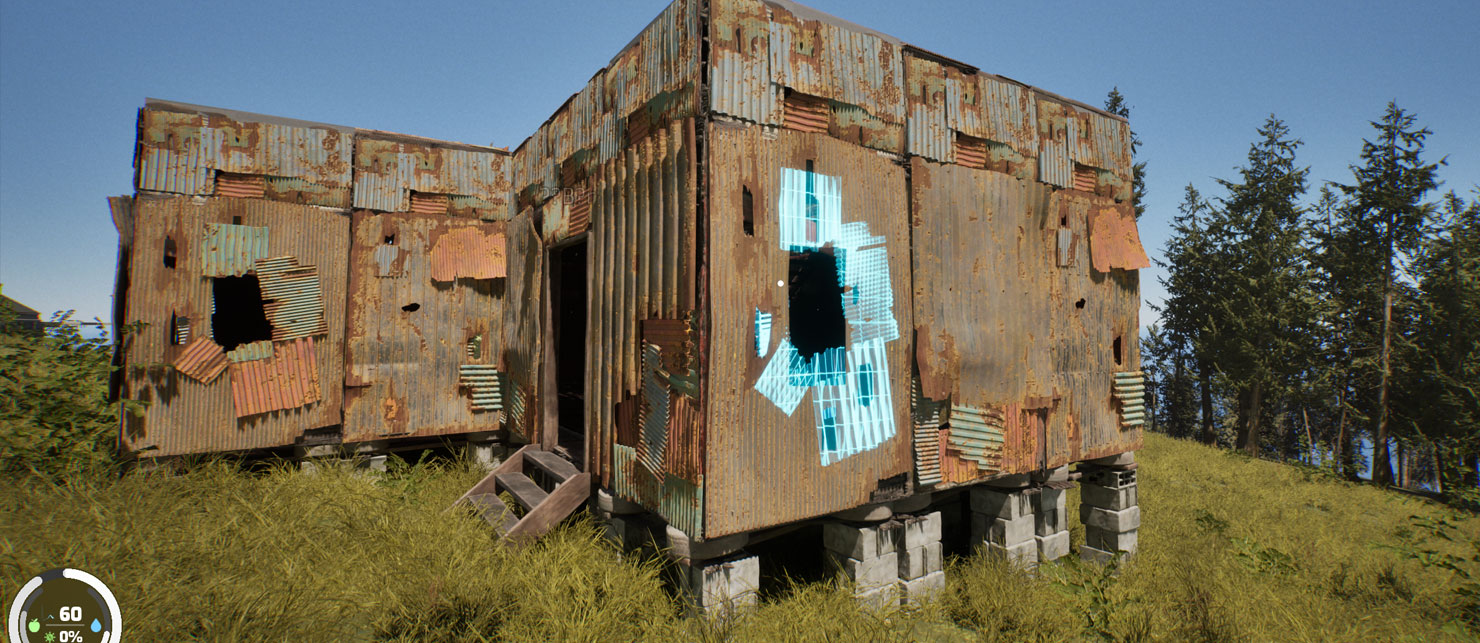
Basic modular construction system

Advanced mechanical workbench
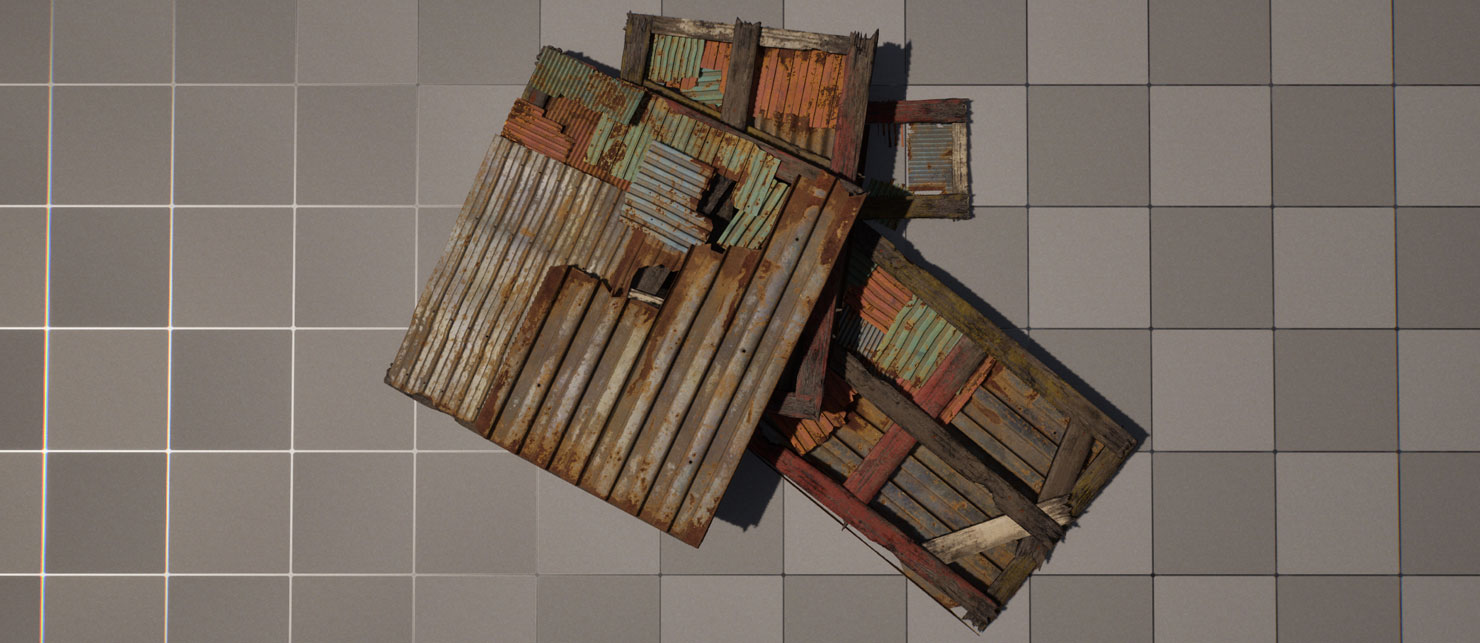
Recovery and dismantling system

Natural resource farming system
Building a smart camera that reads its surroundings — pulling in close as you step indoors, tightening over the shoulder while you aim, and easing back out in the open so the view always frames the action.
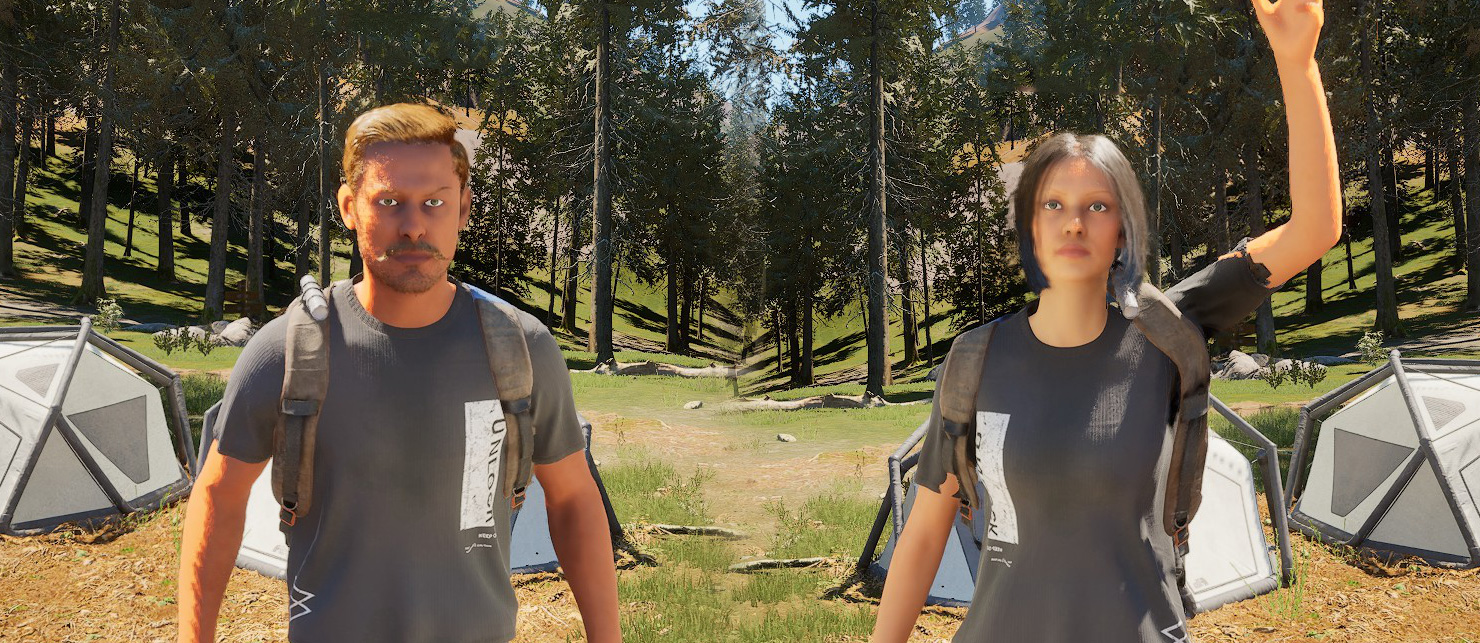
Modular character customization system
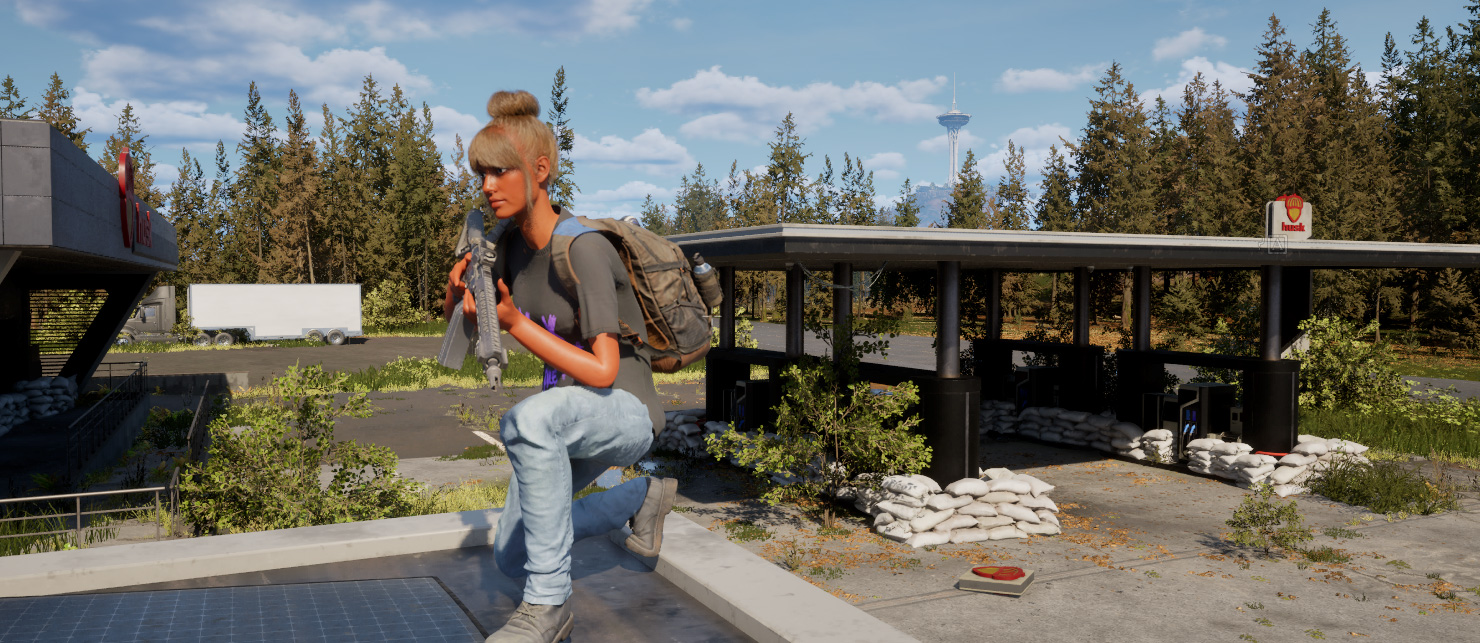
Integration of playable female characters
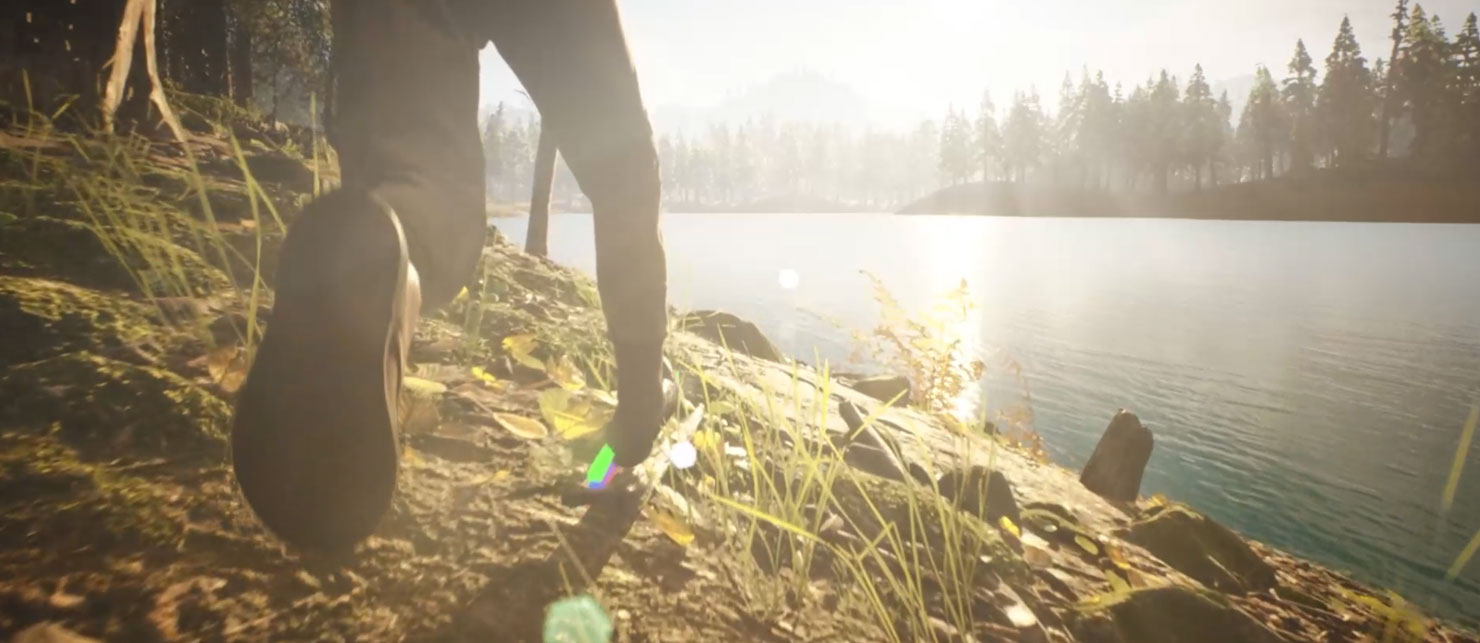
Locomotion system overhaul
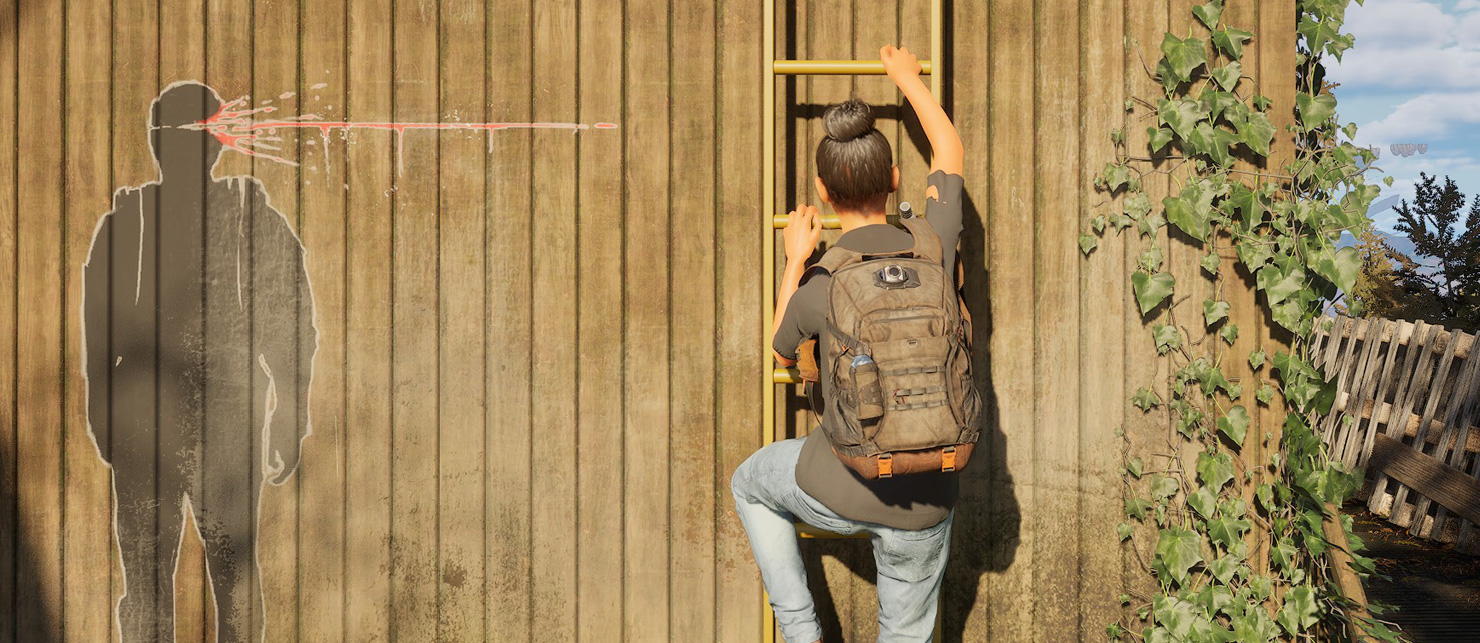
Complete overhaul of the movement system
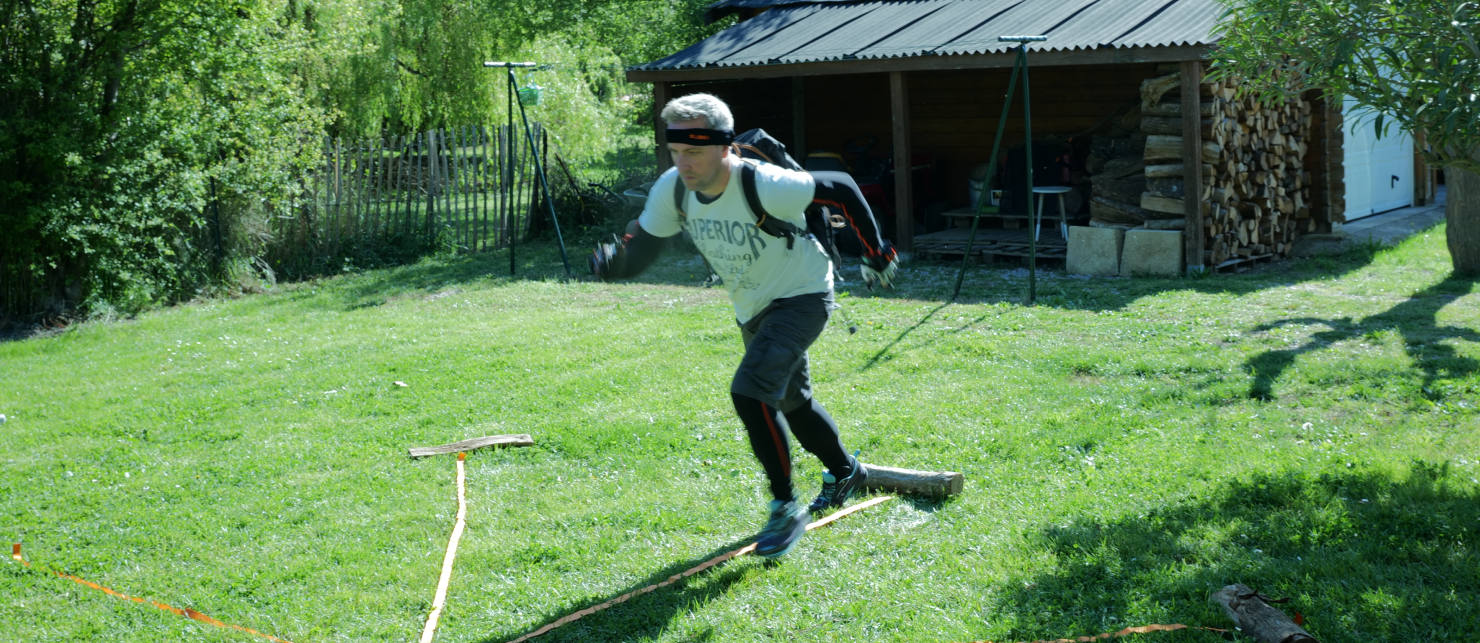
First motion capture session
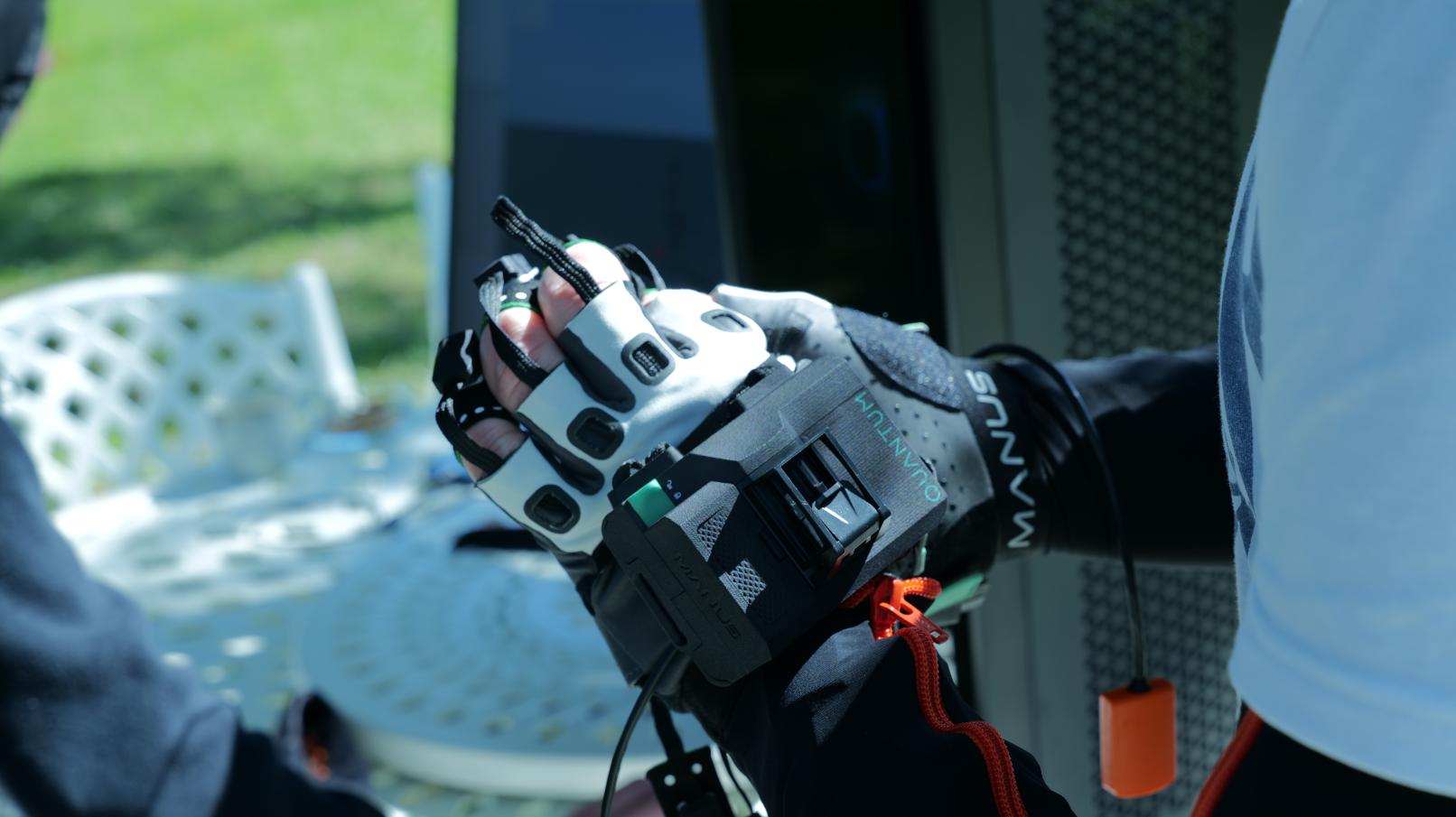
Second motion capture session
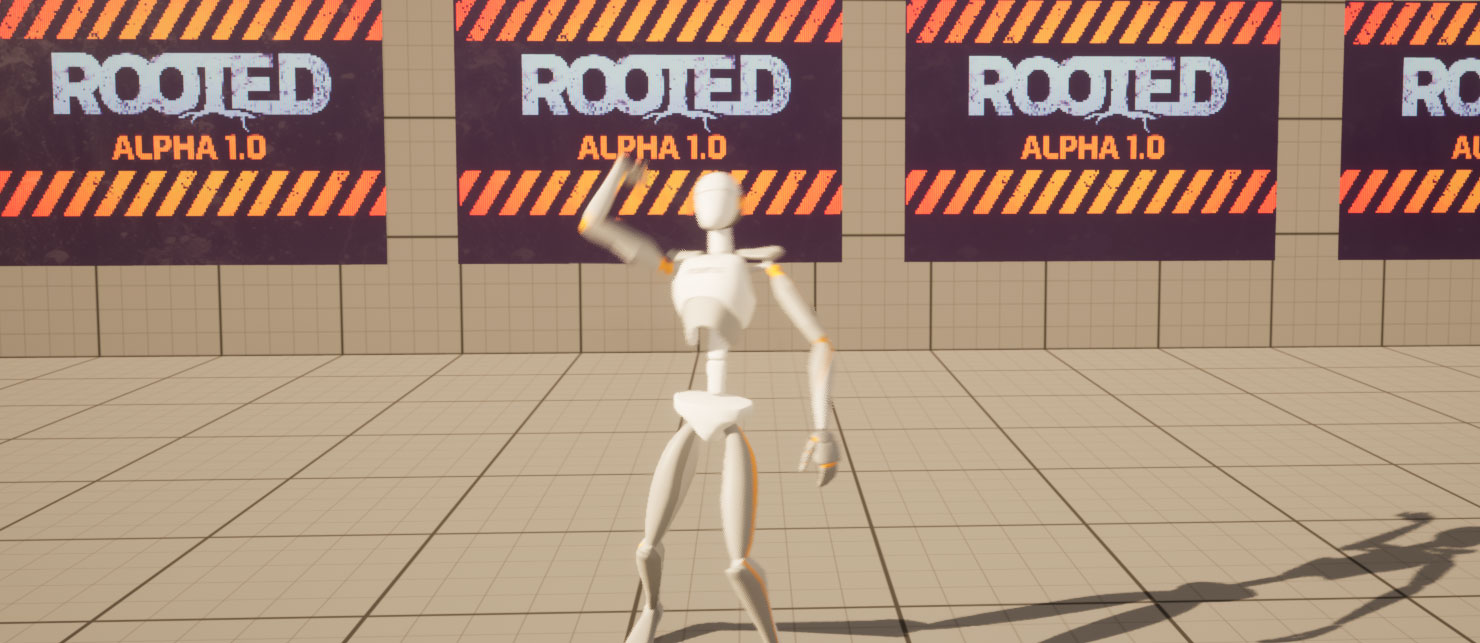
Throw objects
Bringing in swappable backpacks with their own capacity, weapon socket layouts, and cosmetic patches — drop one to switch loadouts, loot it off downed players in coop.
Adding visible weapon holstering — rifles ride your pack, sidearms and melee sit on your body, and a quick toggle draws or stows each one so your loadout reads at a glance.

Protective jacket
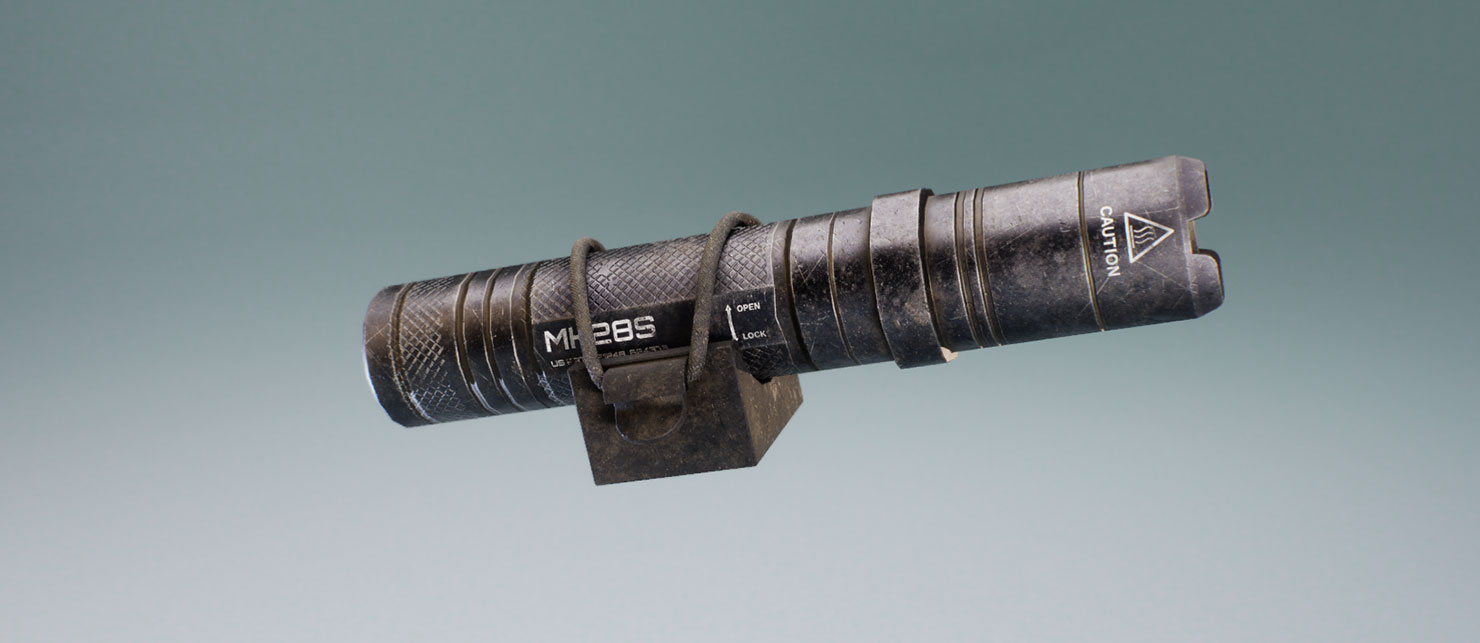
Character's flashlight

Head accessories
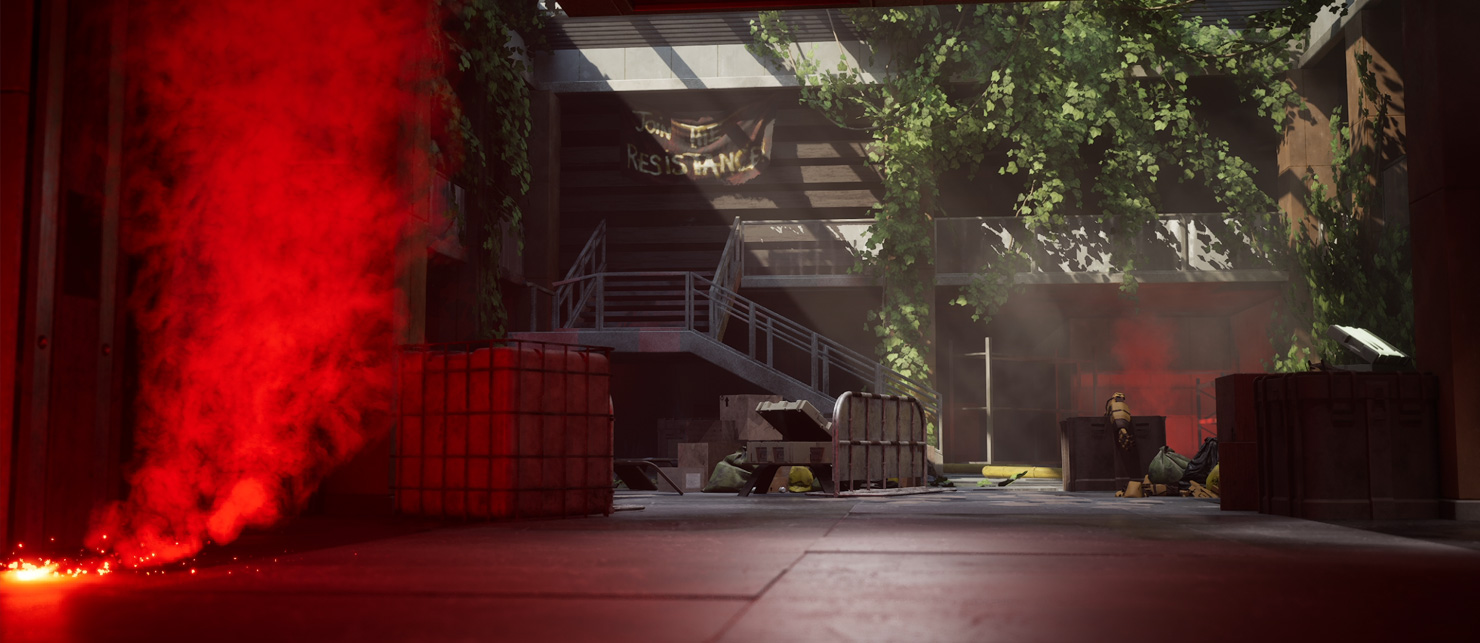
Illuminating flare
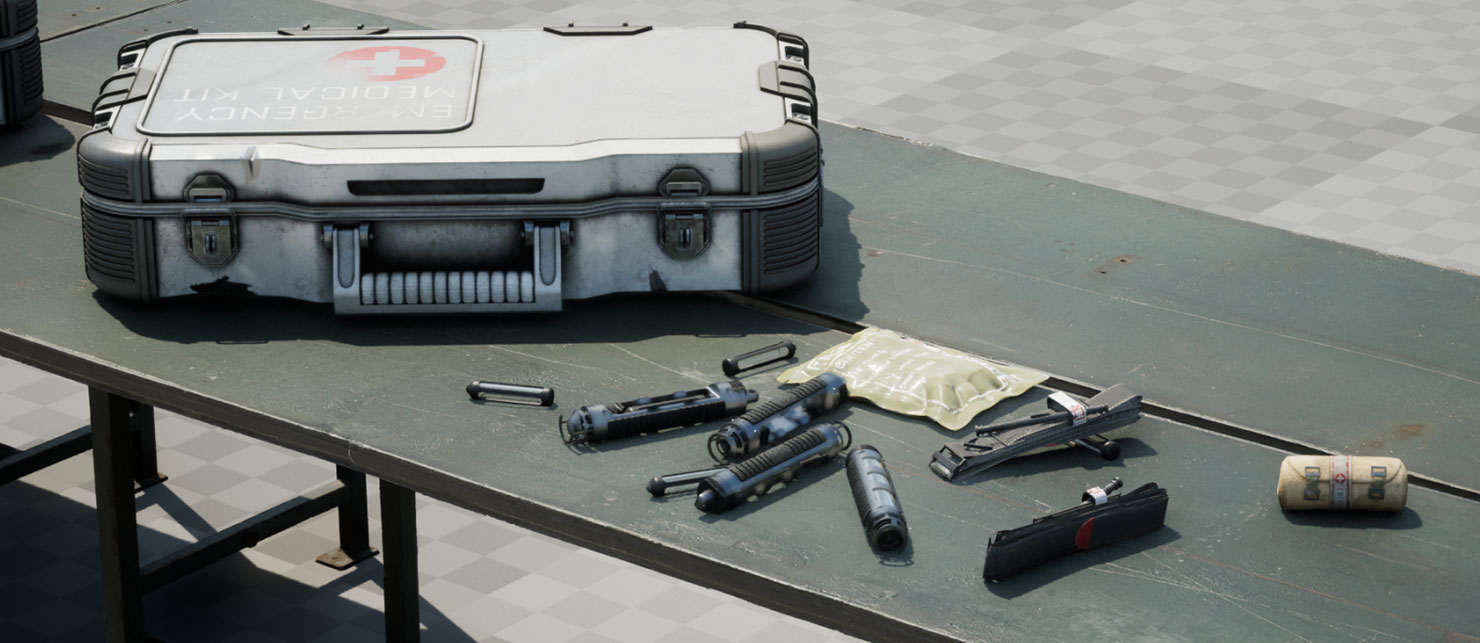
Military medical kit
Adding swappable hull, rotor, optics, and battery modules under the drone system so each player tailors their drone for recon, combat, or transport, with wear and tear tracked per component.
Standing up a single tuning surface for every vehicle in the game — boats, ground transport, and future aircraft all share damage, fuel, and handling models, ready for new vehicle types as the world grows.
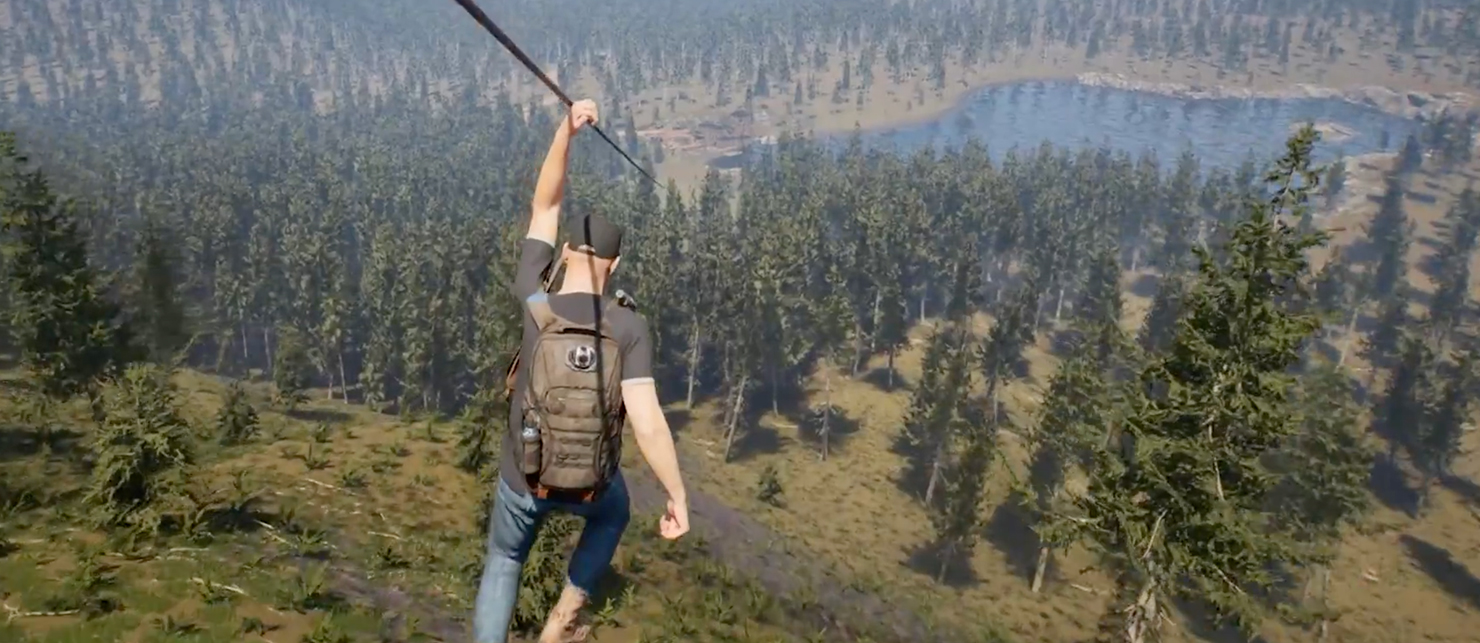
Ziplines for rapid traversal

Remote-controlled pilotable drones
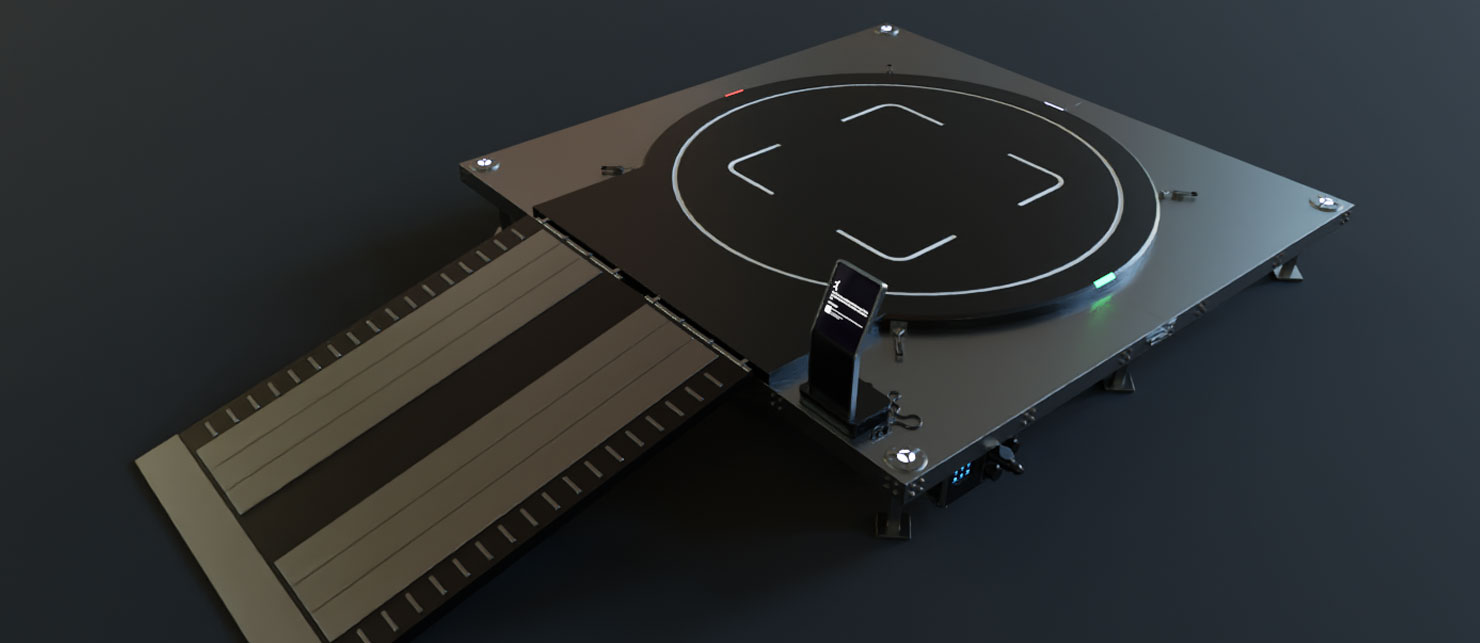
Landing platforms for drones
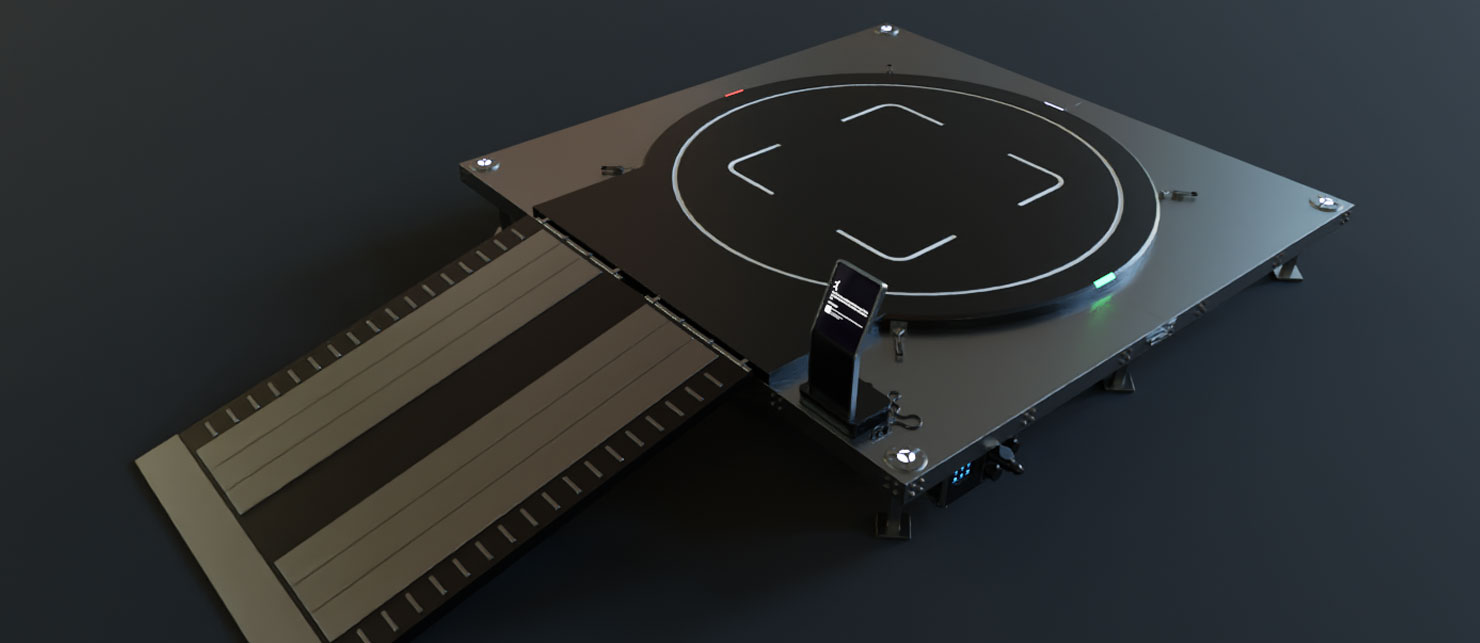
Signal beacons with detector
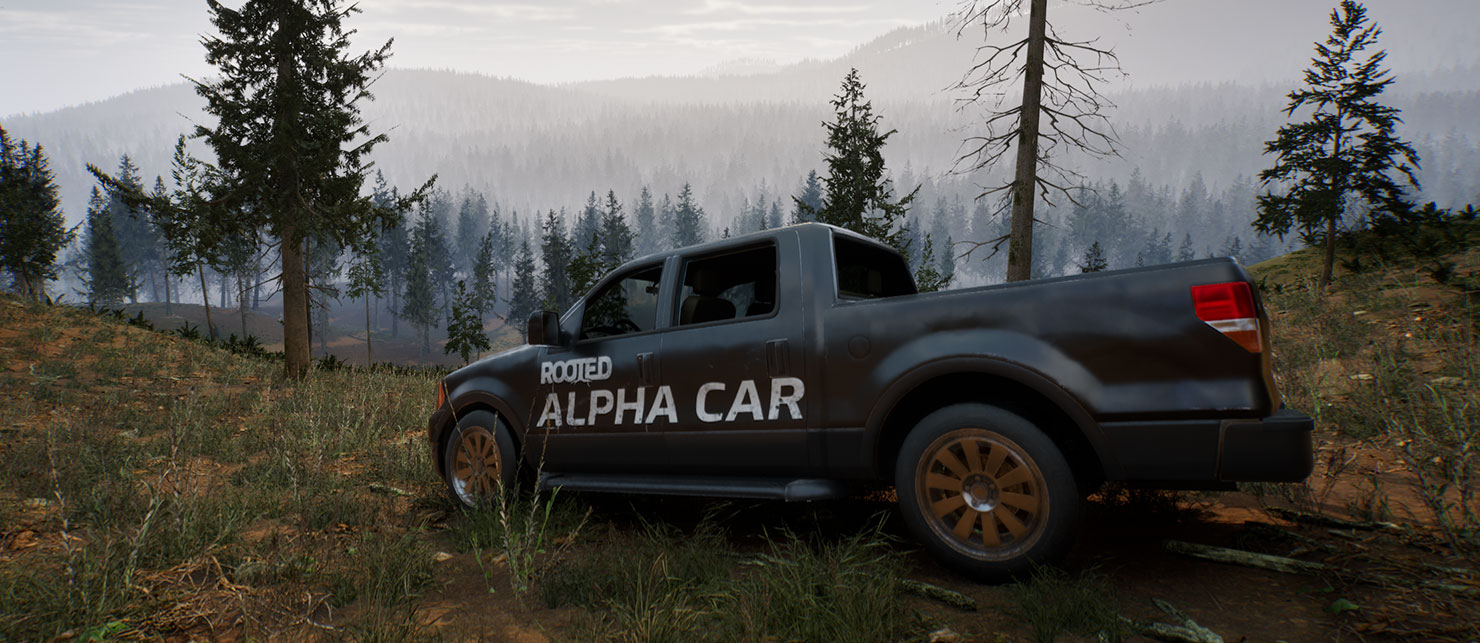
5-seat ground vehicle
Rowboat for lake navigation
Climbing system
Swimming and diving

Hostile animals with attack behavior
Standing up the core wildlife layer that hunting, fishing, and skinning all ride on — perception, awareness states, and reactive behaviors scaled per-player so the world stays lively at any range.
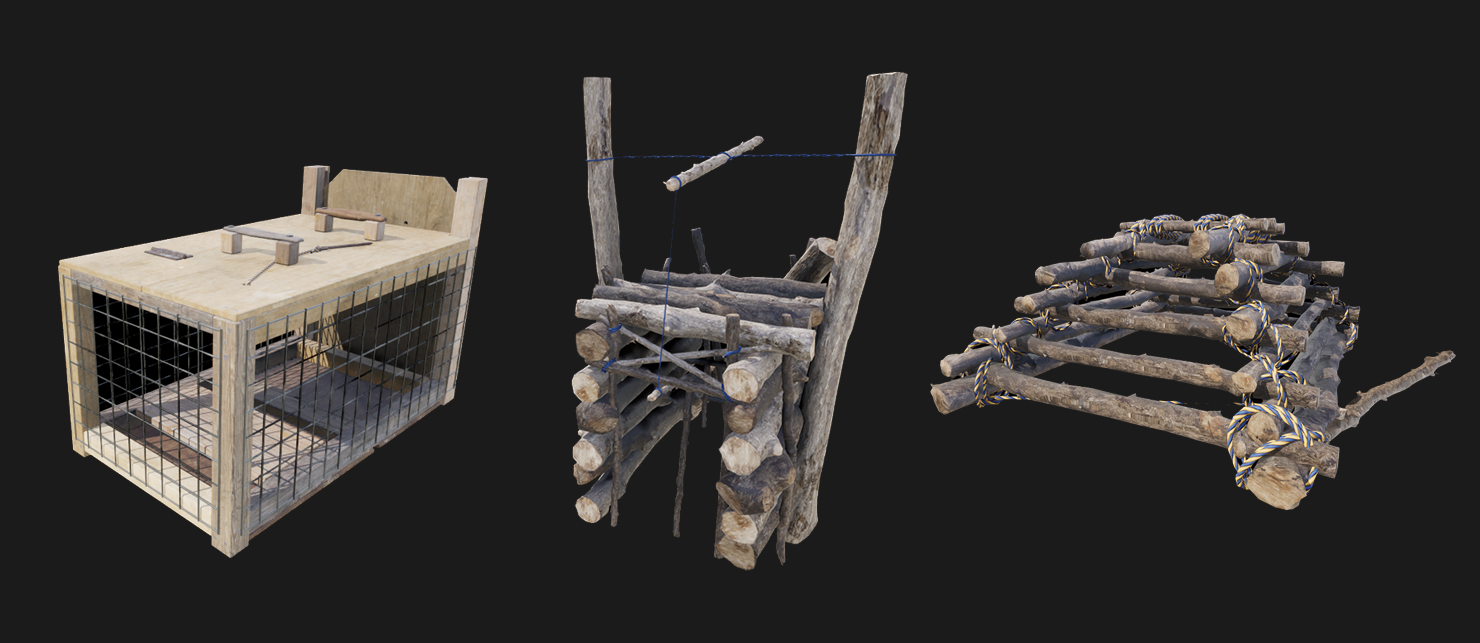
Hunting traps system
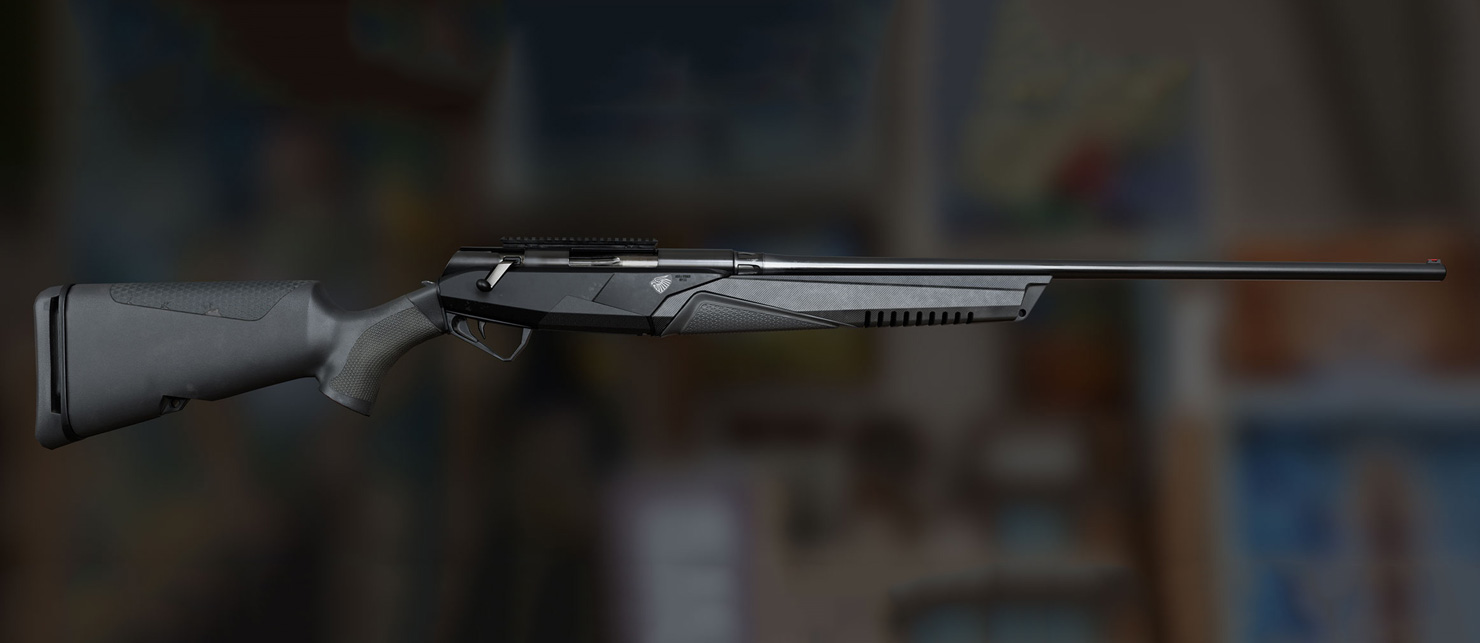
First hunting firearm
Fishing rod mechanics
Animal skinning and butchering
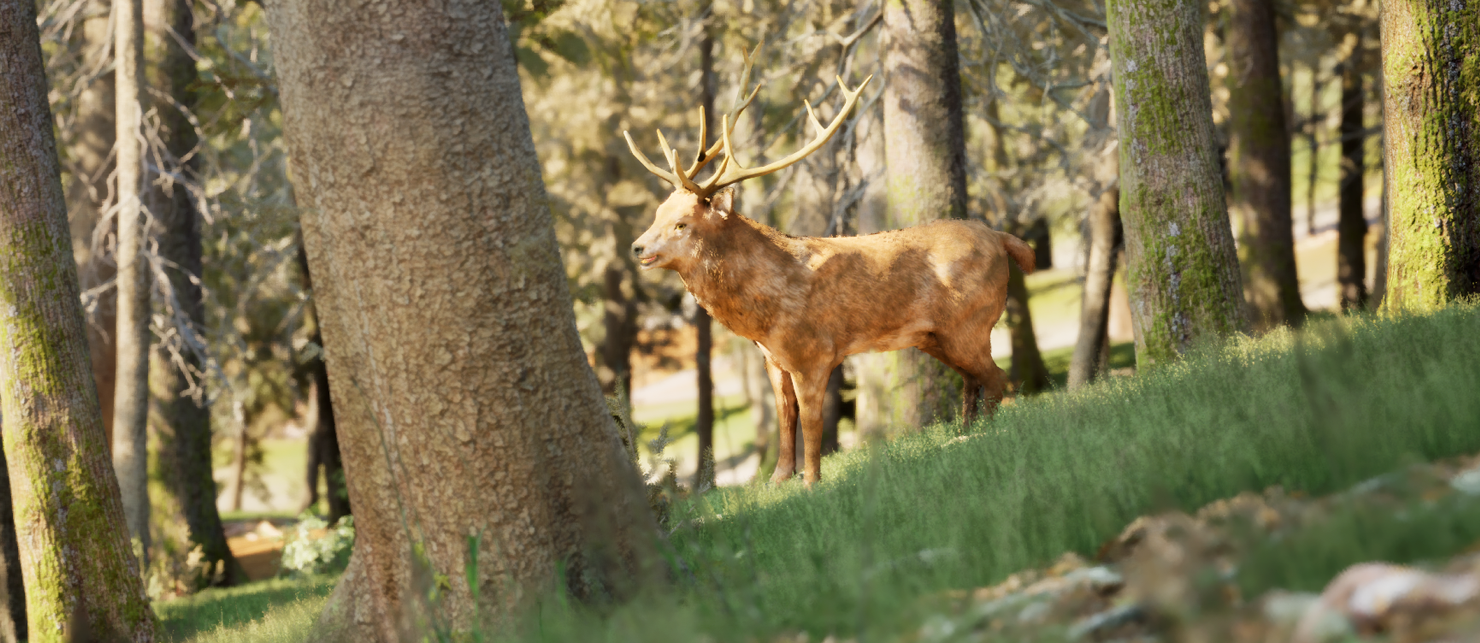
Passive animals with fear mechanics
Bringing in shoulder swapping that shifts the camera across and mirrors the upper body with it, sliding the support hand to the other side so peeking left or right always feels natural.
Standing up the hostile NPC layer — corporate enforcers, antidote-bound infected, and rival survivors, each with its own group behavior and threat response, filling the ruins with reasons to fight or flee.
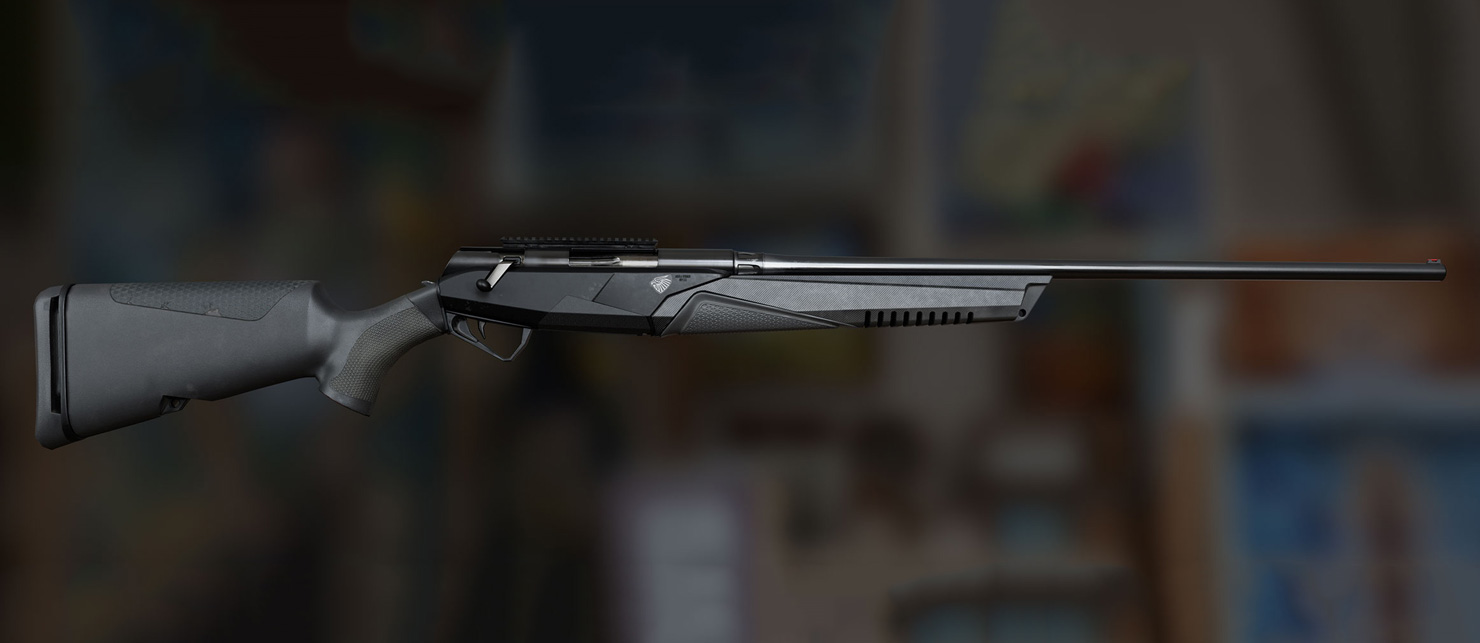
Development of the firearm system

Bolt action rifle with scopes
Standing up an adaptive reticle that morphs across every situation — bare hands, melee, firearm spread, build snap, drone optics — appearing exactly when it's useful and stepping aside the rest of the time.
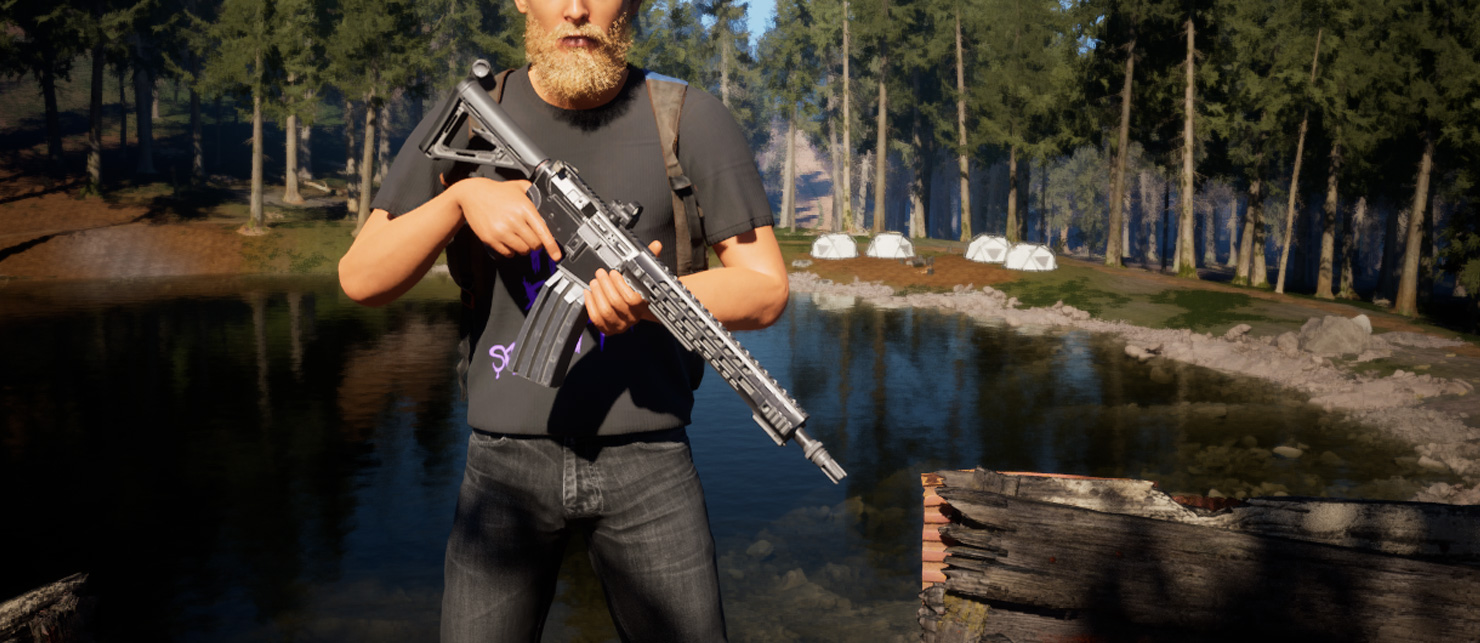
M4A1 Integration
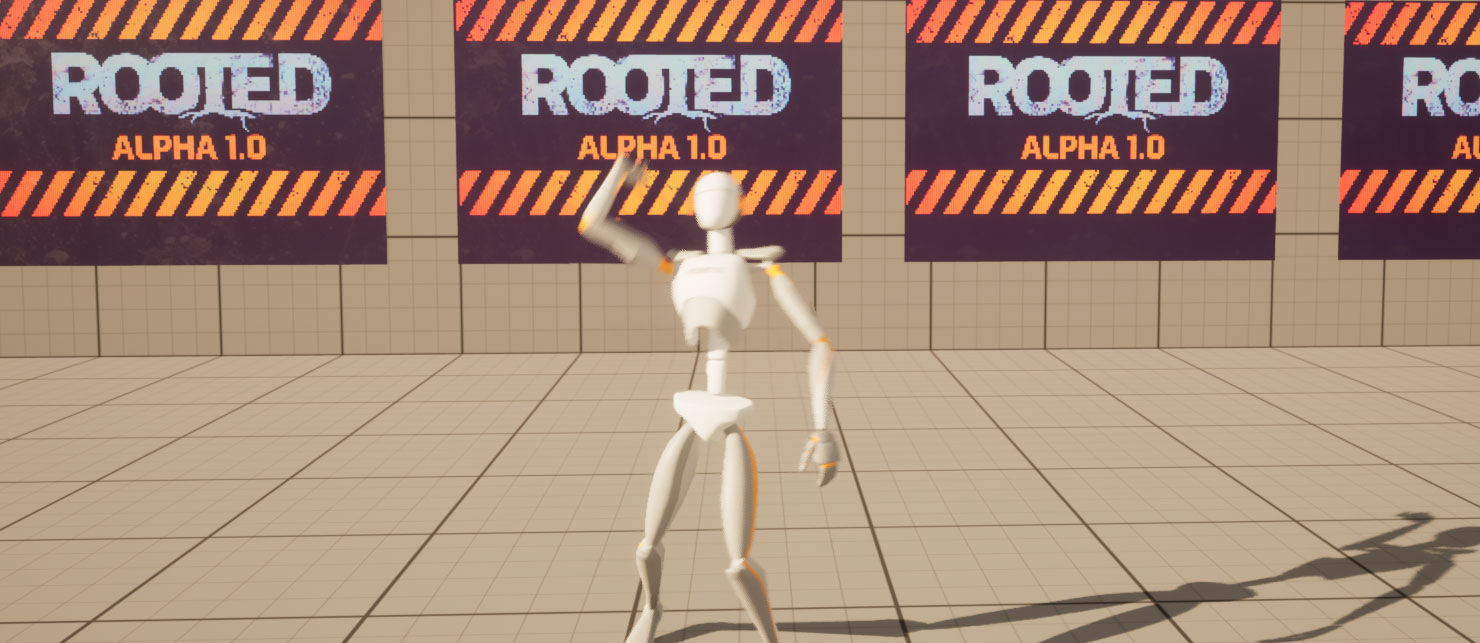
Hand-to-hand combat system
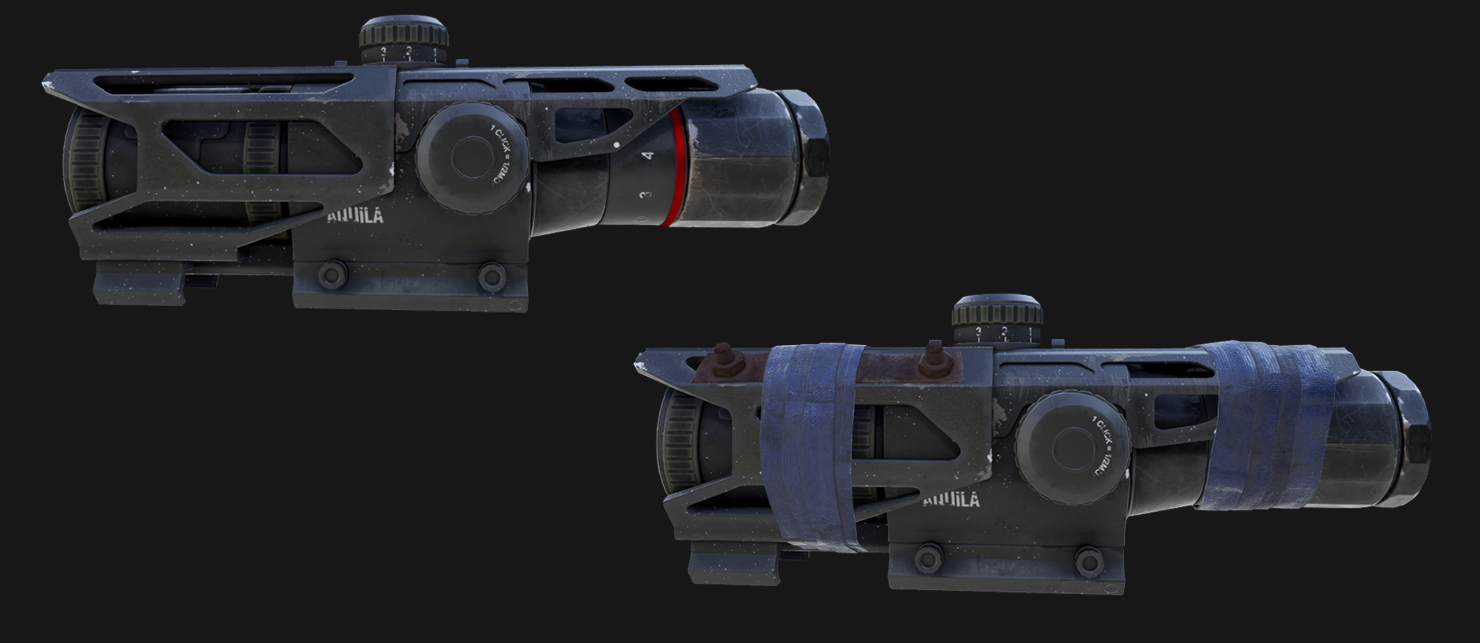
x4 and x8 rifle scopes
Adding sleep and rest — bed down on the ground, in a vehicle, a tent, or a bed to skip the night, beat back fatigue, and set where the group respawns, with everyone agreeing before time skips in co-op.
Standing up the player skill layer: practicing a craft sharpens the matching skill, and skill tiers gate what each survivor can craft, repair, and salvage across the group's shared stations.
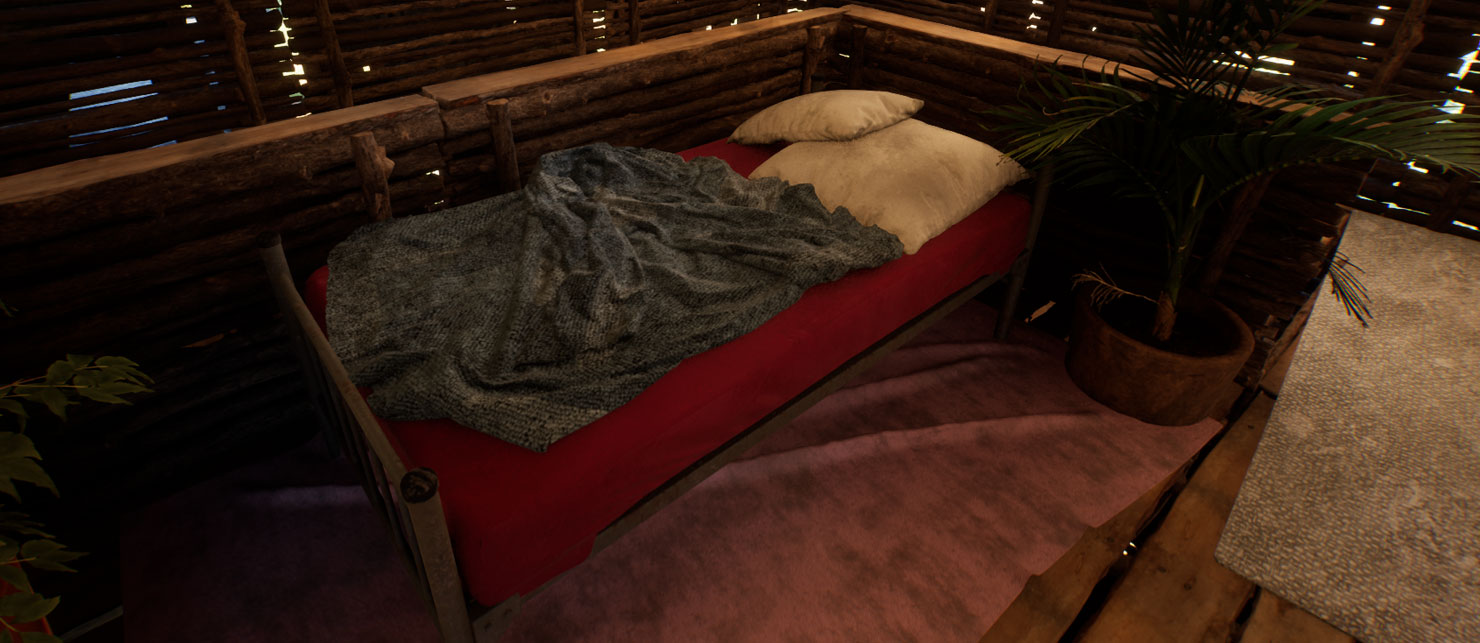
Rest and sleep system
A full health layer covering vitals, wounds, diseases, poisoning, drowning, encumbrance and sanity, wired into combat, medical treatments, the HUD, and co-op replication.

Campfire with cooking system
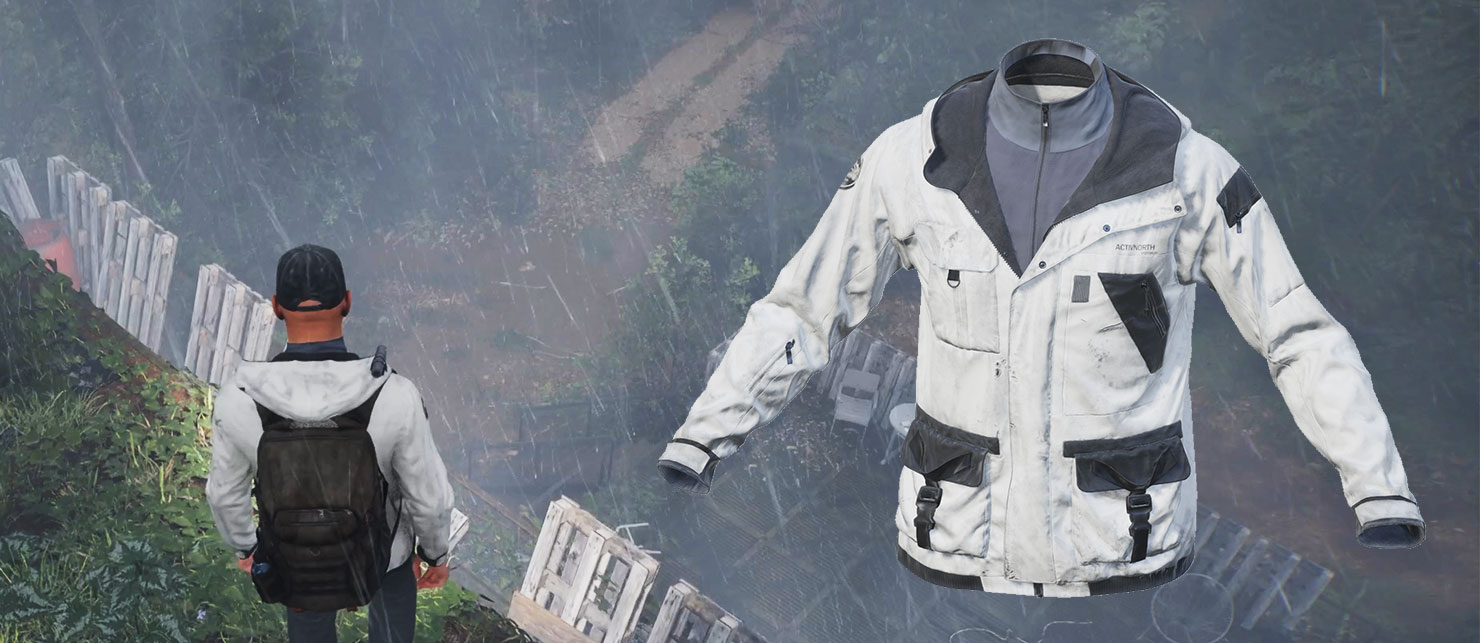
Thermal protection of clothing
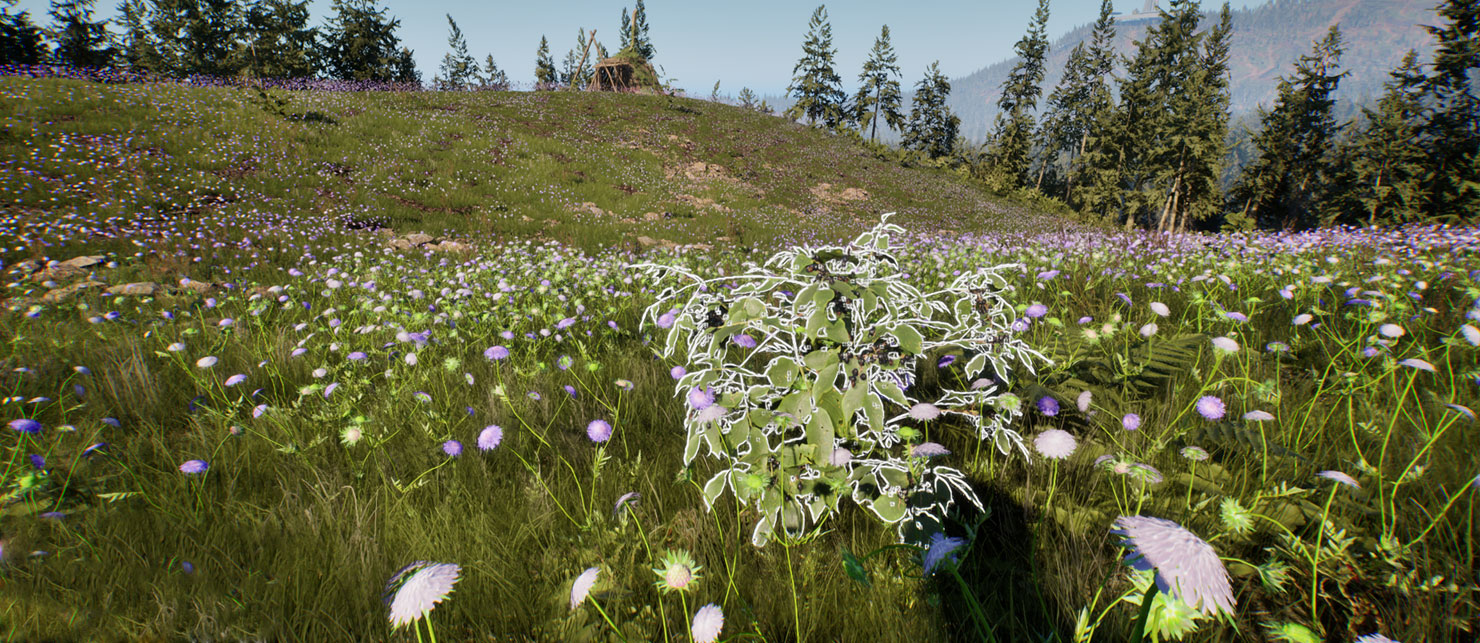
Flora-based sustenance system
Body temperature regulation
Disease system
Cooking grill for campfire
Wiring up a world-spanning radio layer where speakers carry the dead civilization's voice — tune frequencies to catch looping propaganda and automated alerts, or hijack the airwaves for private co-op comms.
Designing the voice layer: positional proximity chat that carries naturally through the world, plus handheld radios to keep the group coordinated at long range.
Full rework of the platform sign-in flow, session handling, and account linking across Steam and Epic Online Services.
Trading system

Basic Steam multiplayer architecture
Layering in first-class mod support across the whole codebase rather than treating it as a bolted-on afterthought, so when the doors open at Early Access the foundation is already there for ambitious community projects.
Bug reporting flow fully reworked: one click submits screenshot, log and context straight to our triage dashboard. Ready for Early Access feedback at scale.
Anonymized crash reports are sent automatically when the game closes unexpectedly, so we can fix issues before you even relaunch.

Lighting and post-processing

AMD FSR 4 Integration
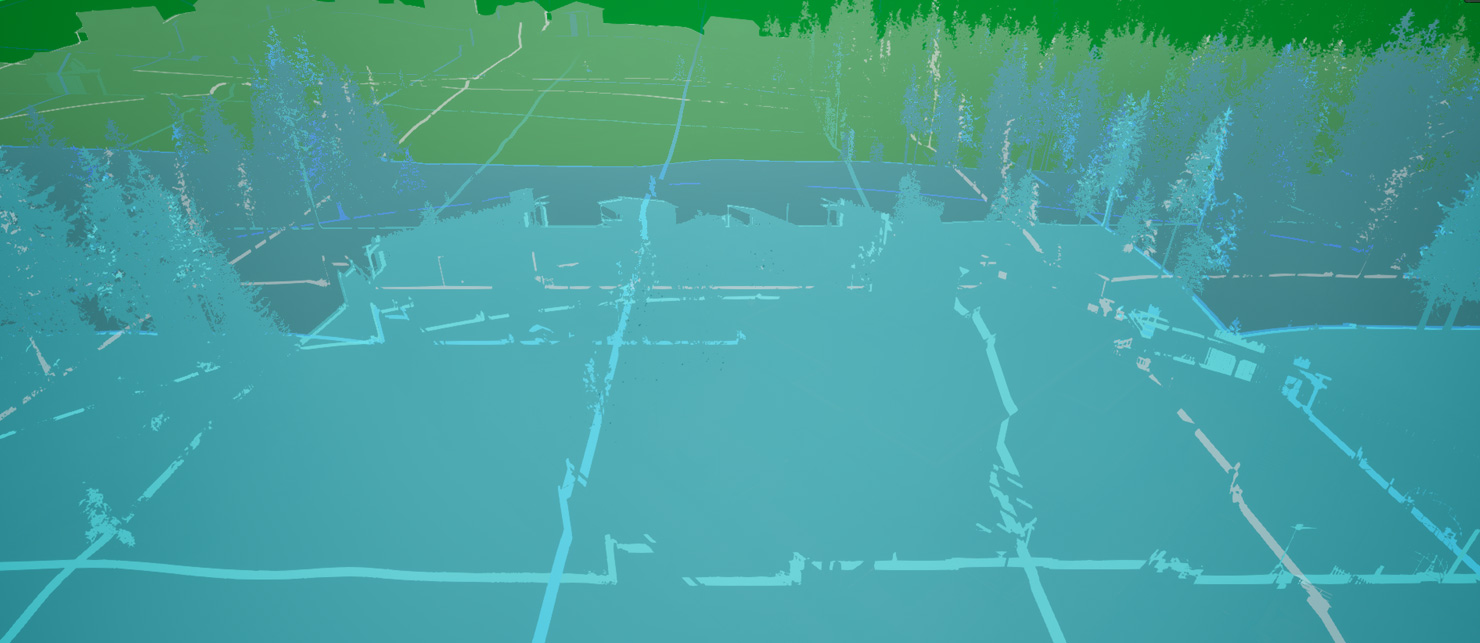
World Partition optimization
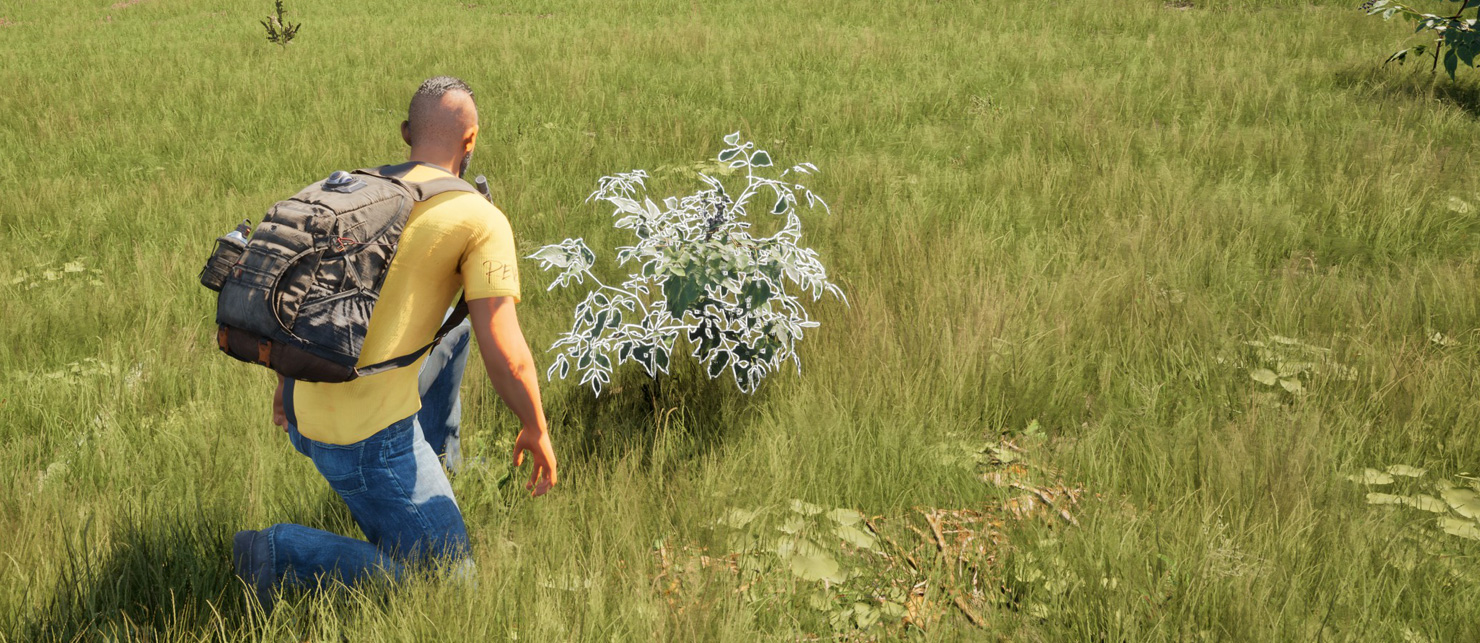
Optimized consumable scattering system

Vegetation rendering optimization with PCG
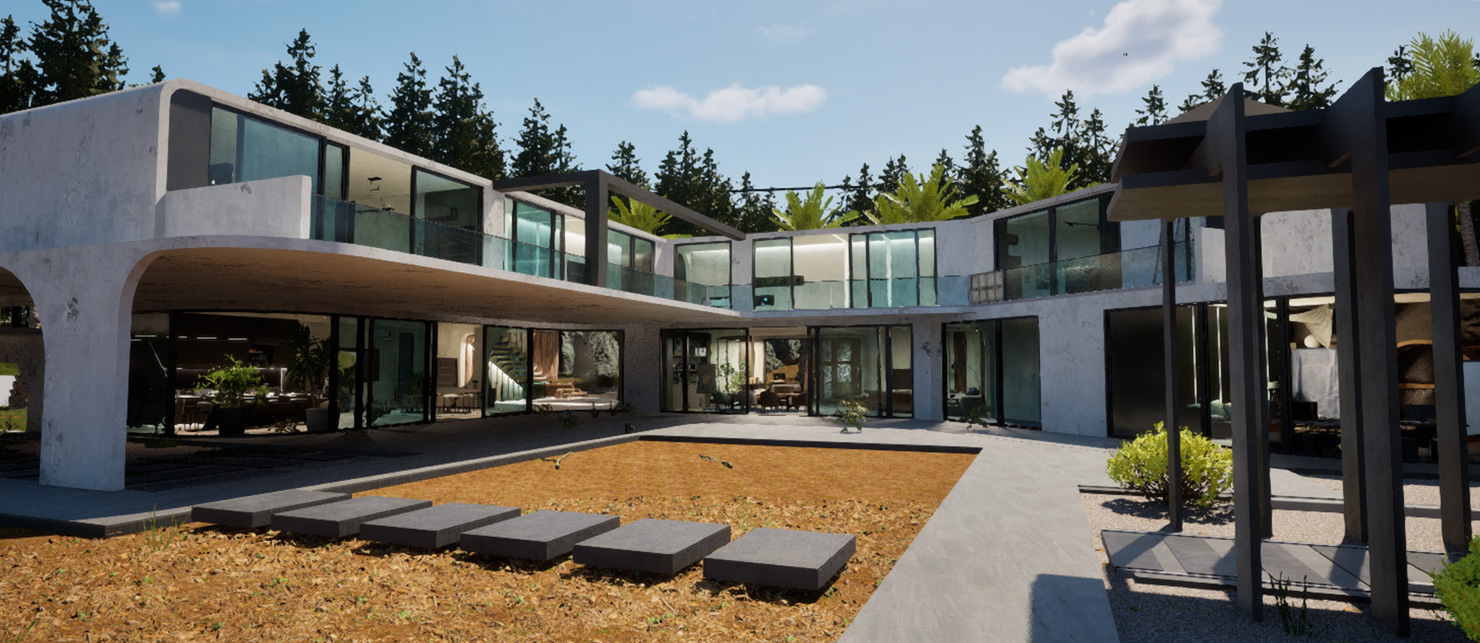
Survivor house (starter island)
Standing up a procedural generator that scatters varied cabins, farmhouses, hangars, and outposts across the world - every structure uniquely shaped yet authored to feel hand-placed and worth approaching.
Standing up the biome framework that anchors every region of the open world, giving each zone its own resource mix, weather behavior, and enemy presence — the foundation for biome-specific content.
Porting Ultra Dynamic Sky to full C++ so the engine drives clouds, storms, and sunsets straight from the world clock — wildlife, ambient sound, and survival mechanics all read from one authoritative weather layer.
Laying down the road network that gives the ruined city its shape — generating streets, intersections, and the blocks between them procedurally, the groundwork the buildings and districts will fill in next.
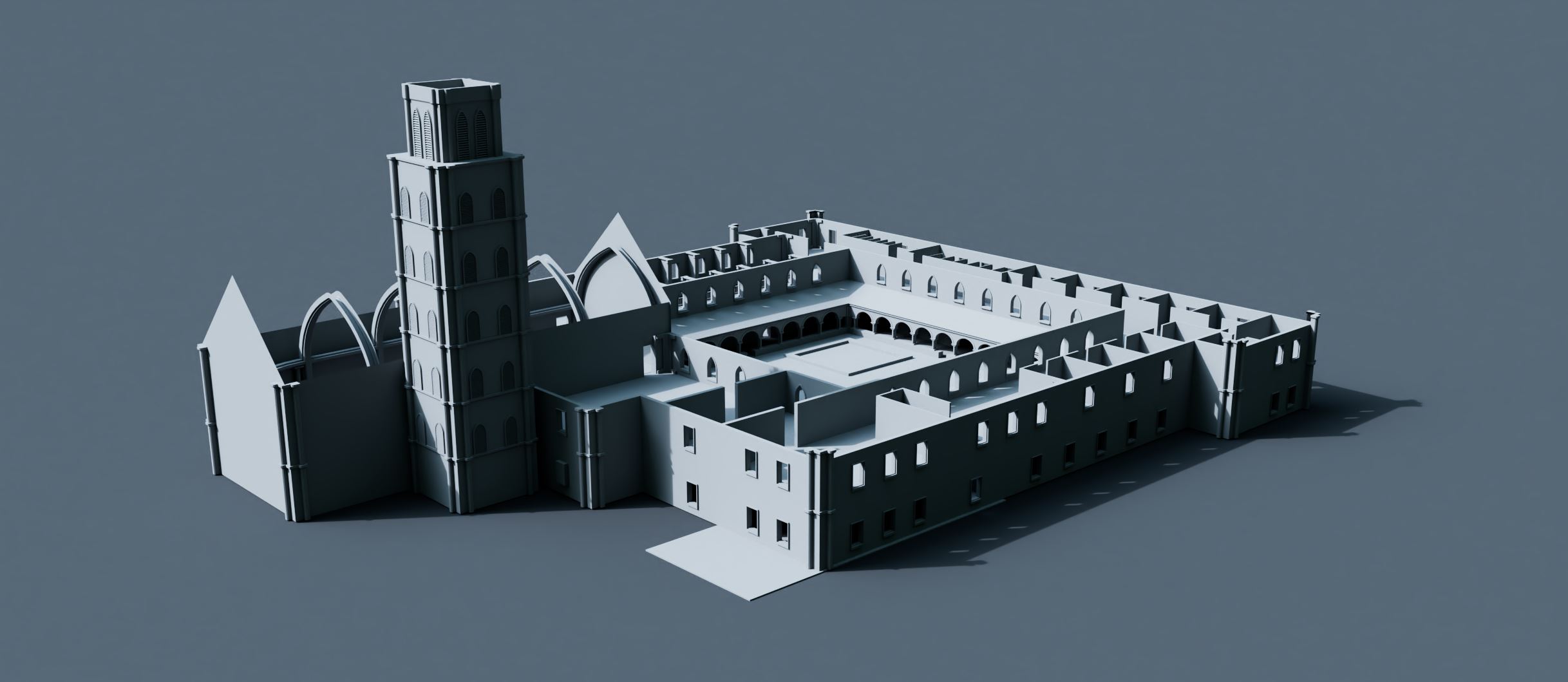
Point of Interest: Monastery

Modular military props
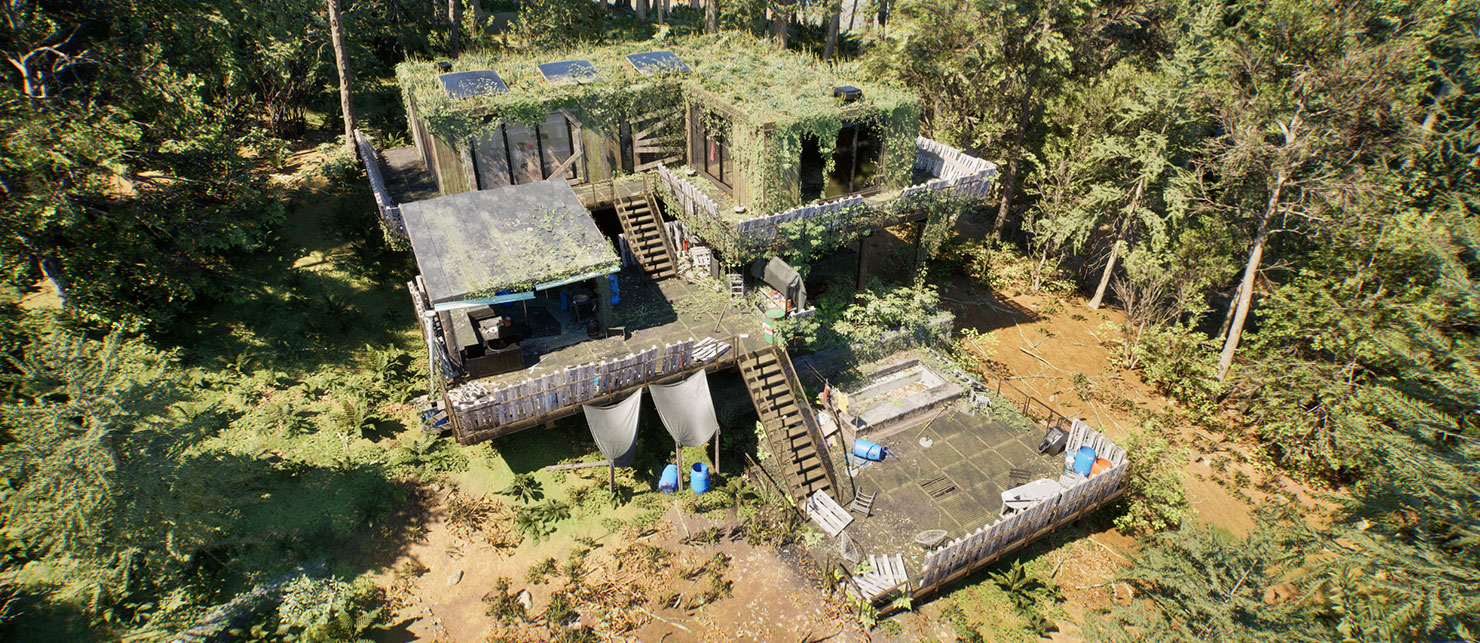
Luxury forest cabin pack
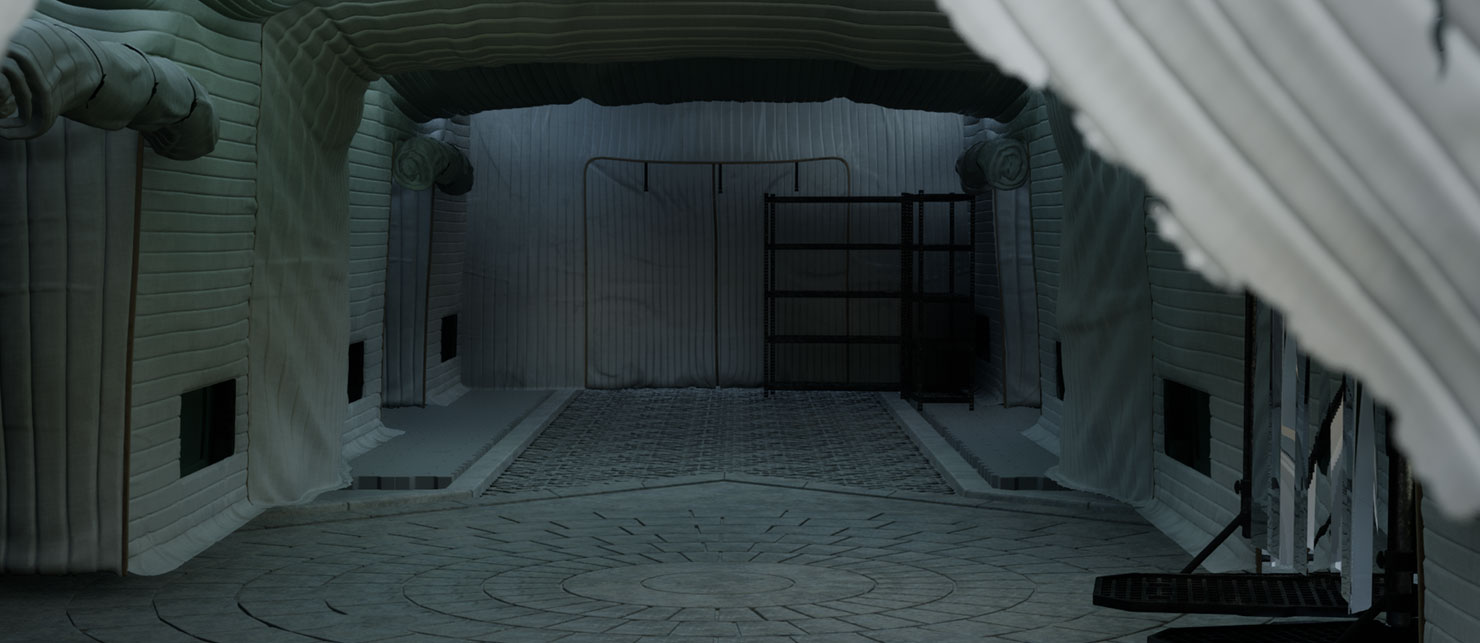
Military hospital
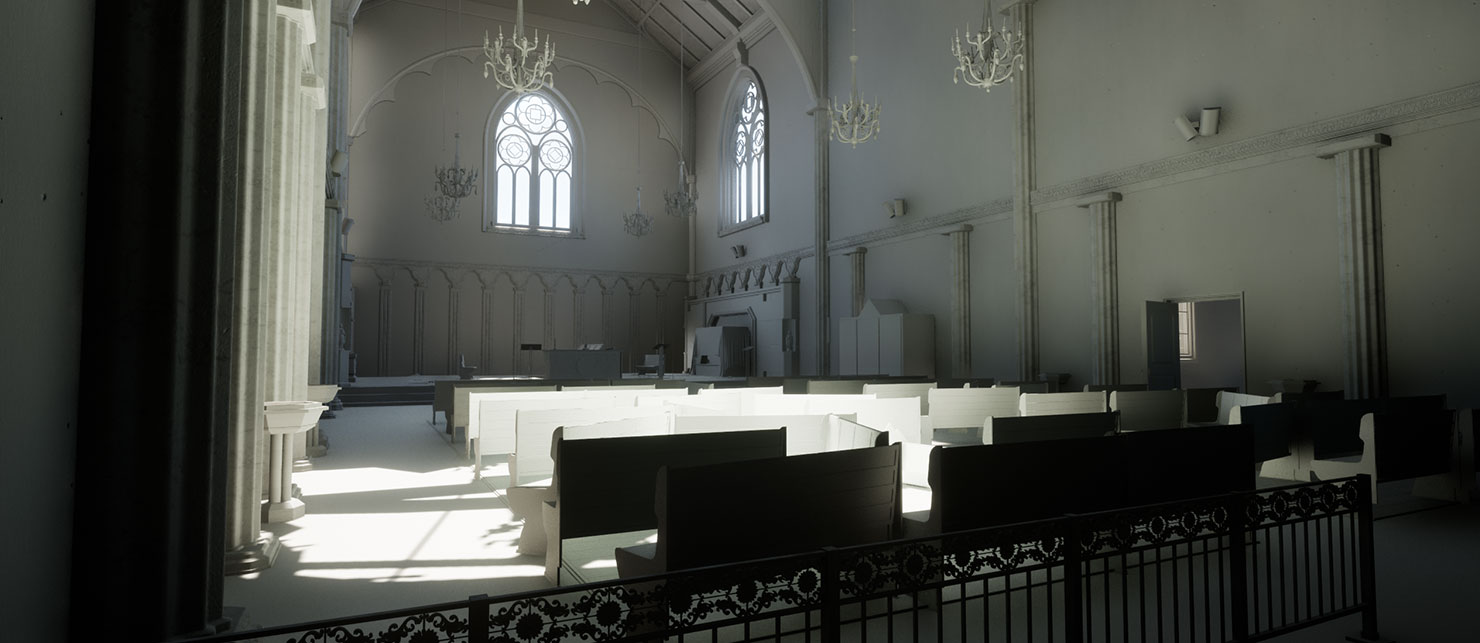
Church blockout
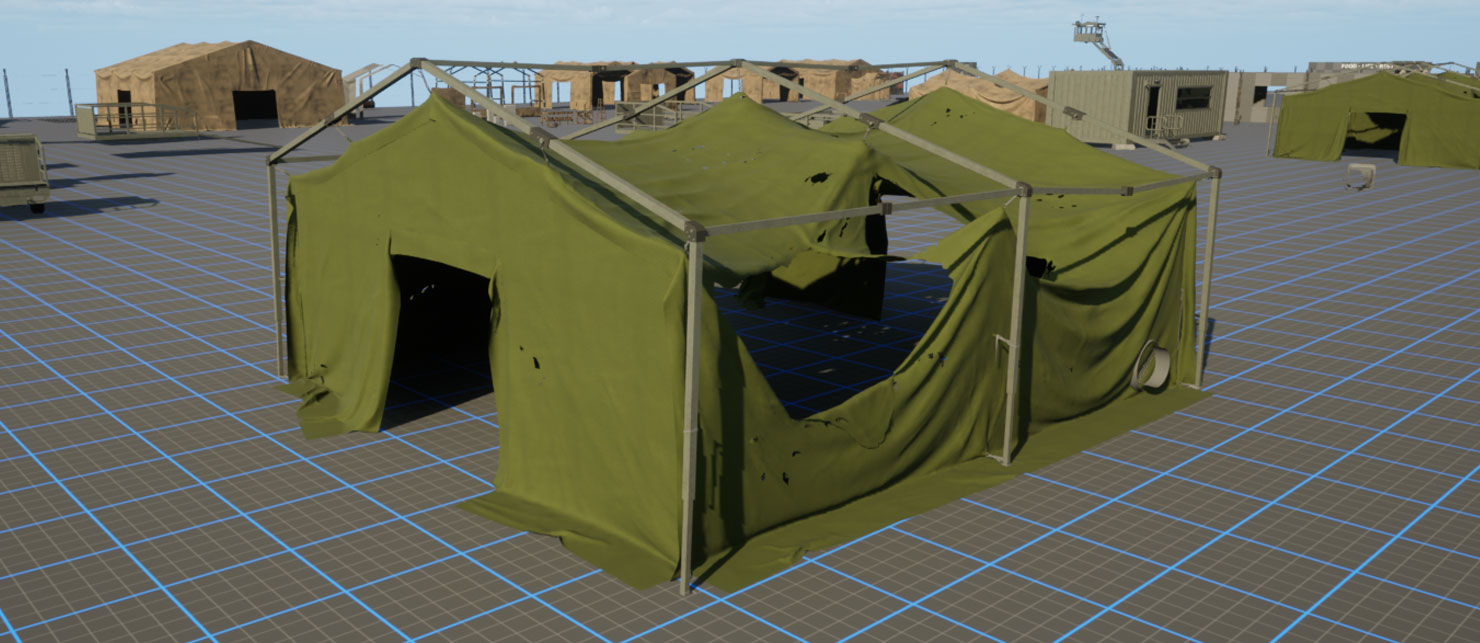
Military tents
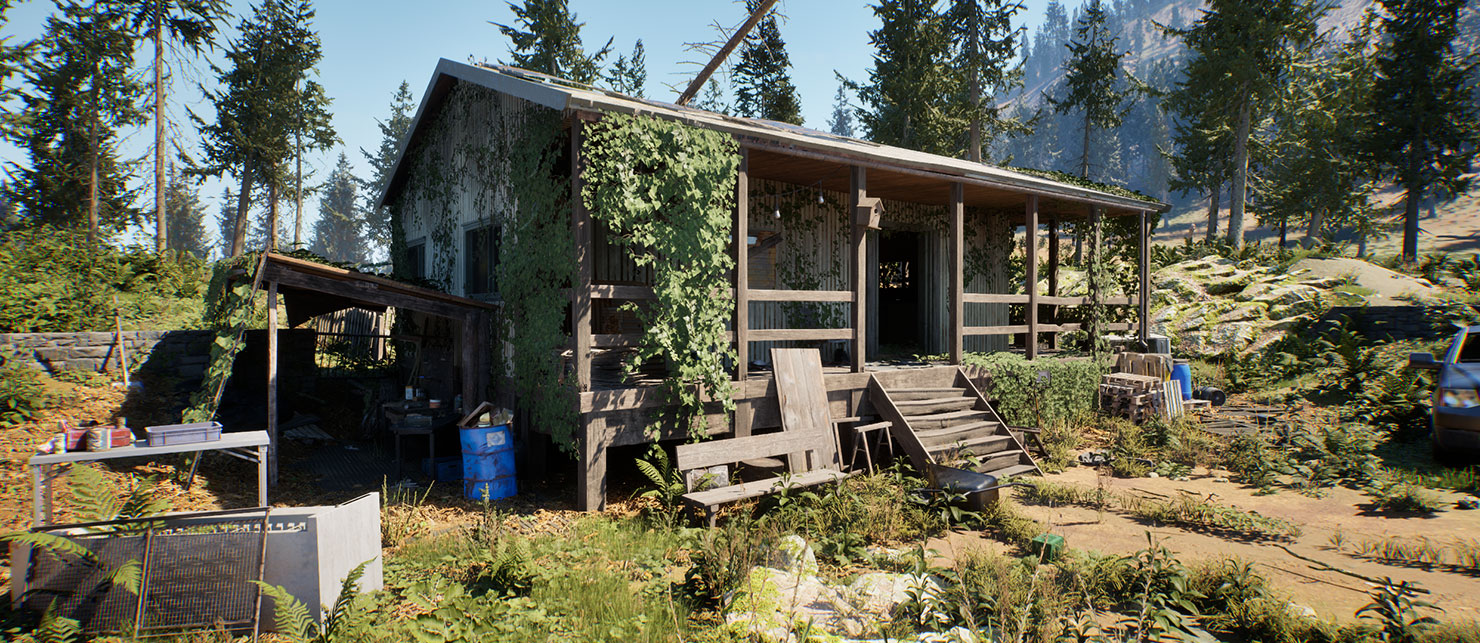
Rustic shelter pack
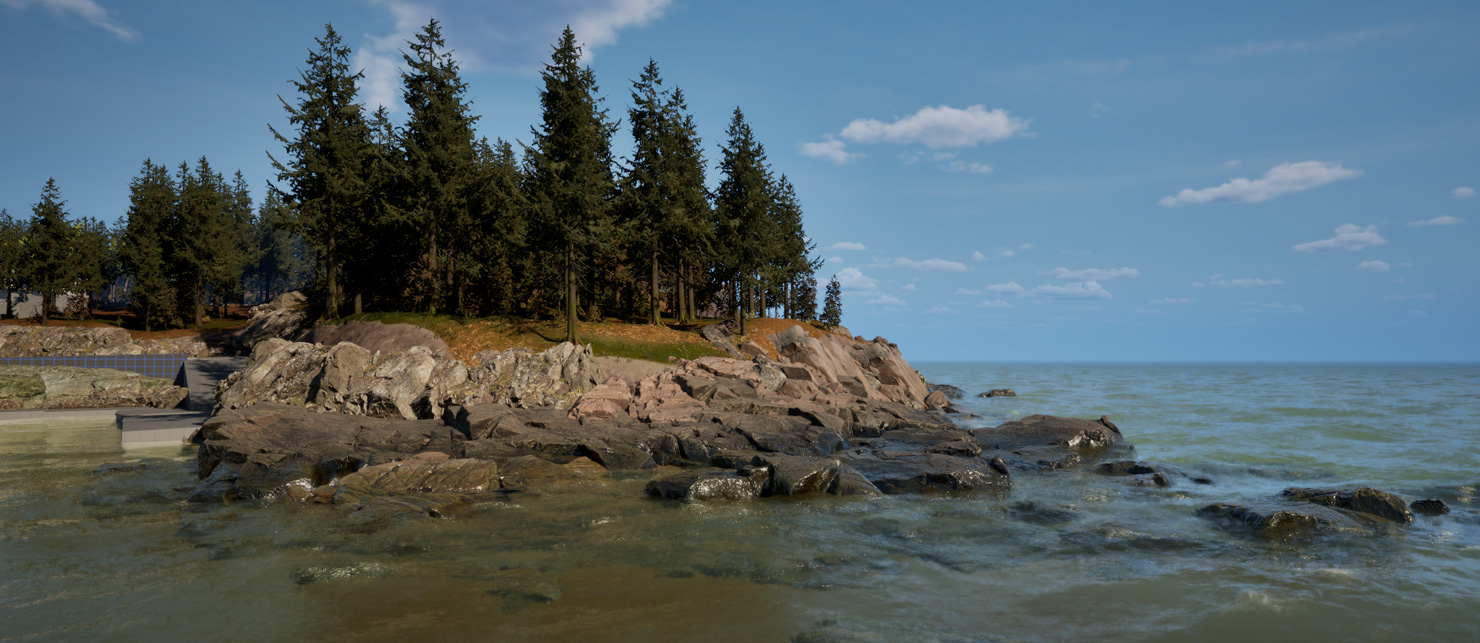
Outdoor environment of the starting island
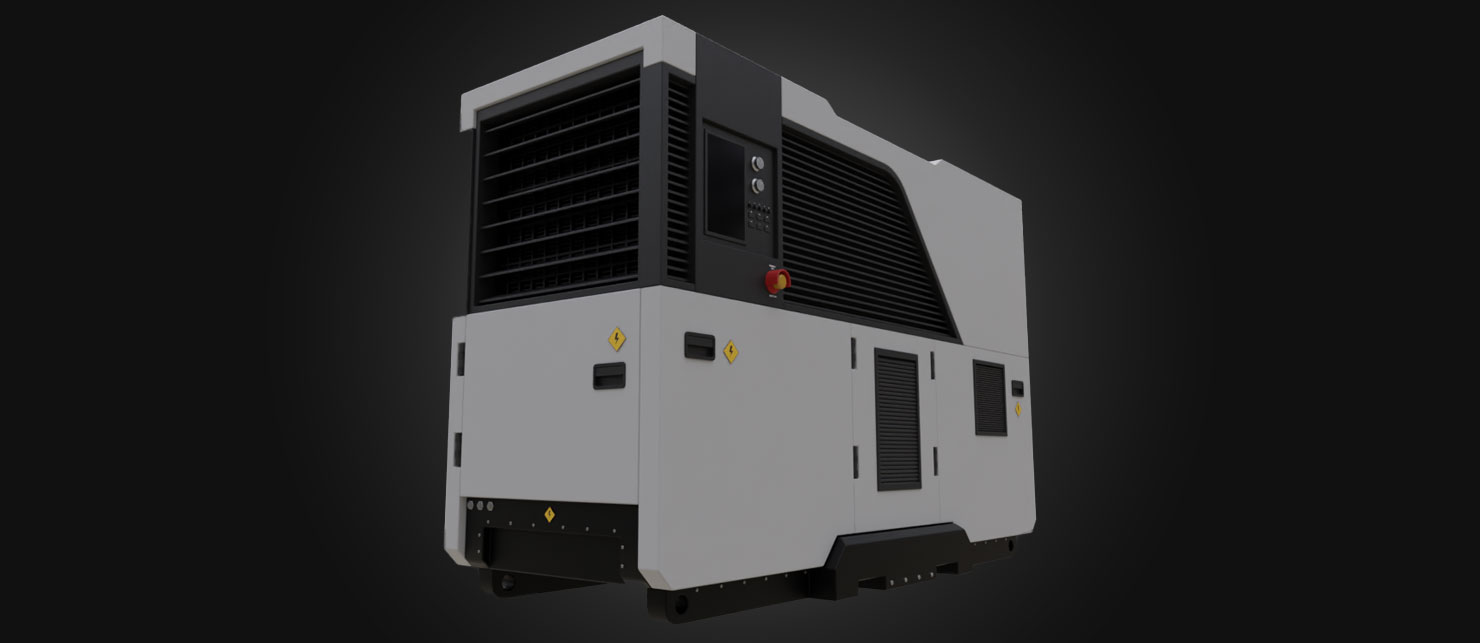
Mechanic workshop props
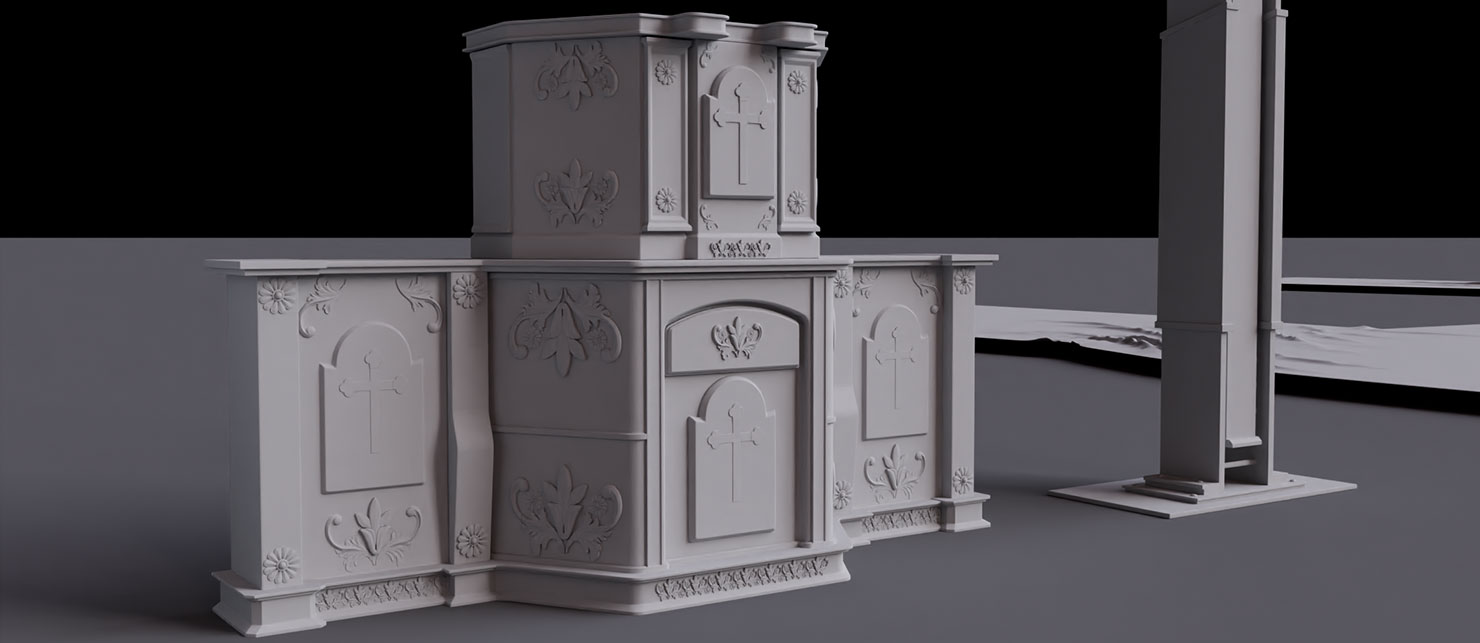
Church props
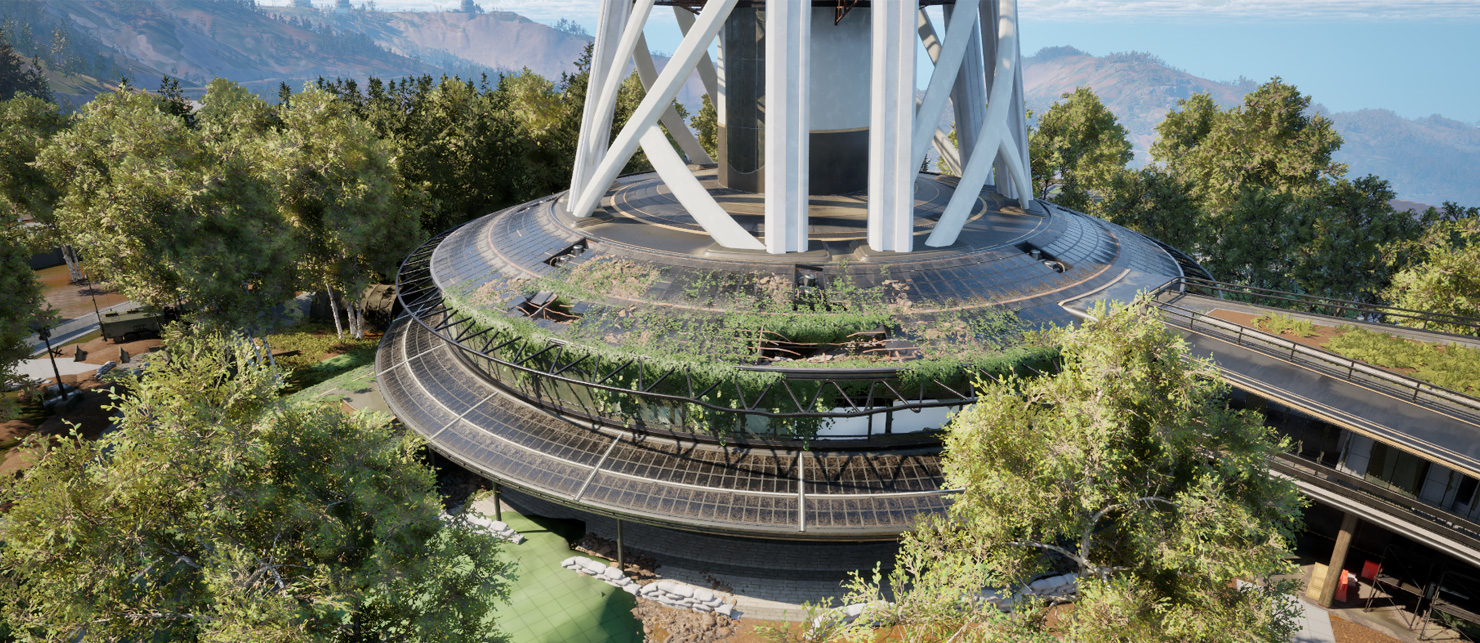
Communication tower
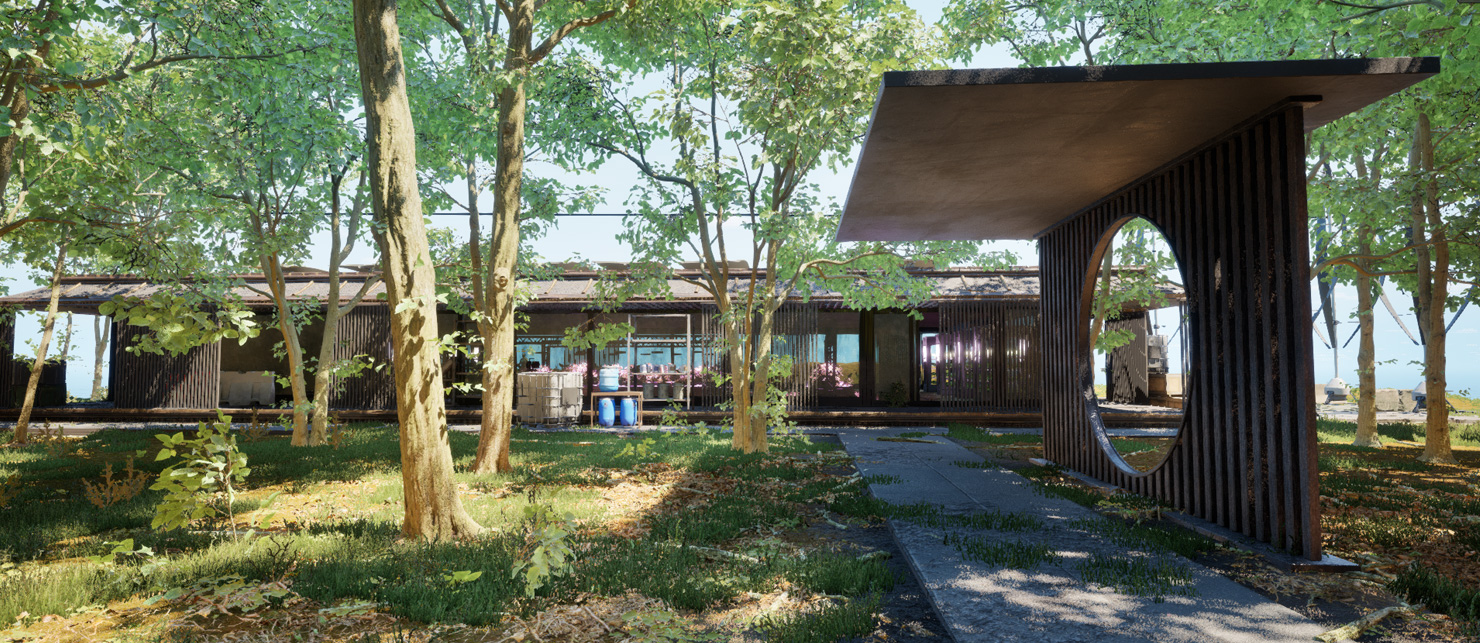
Yoga studio garden (starting island)
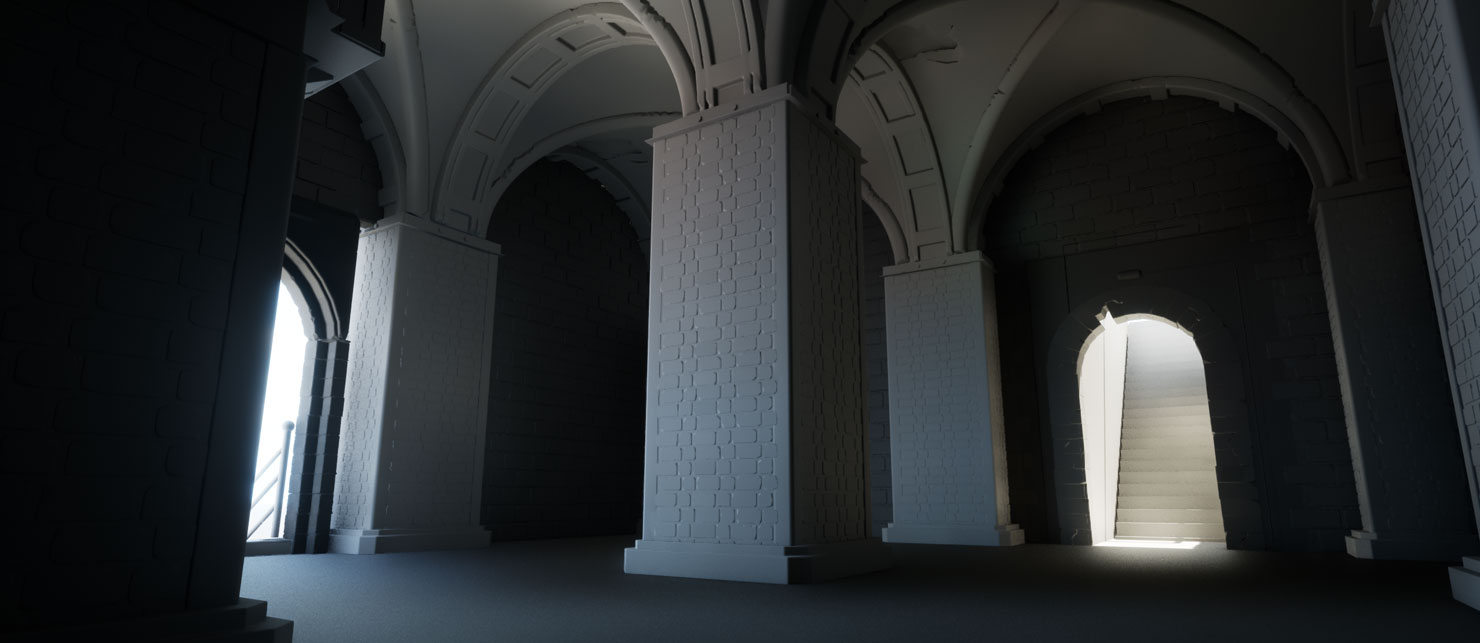
Catacombs blockout
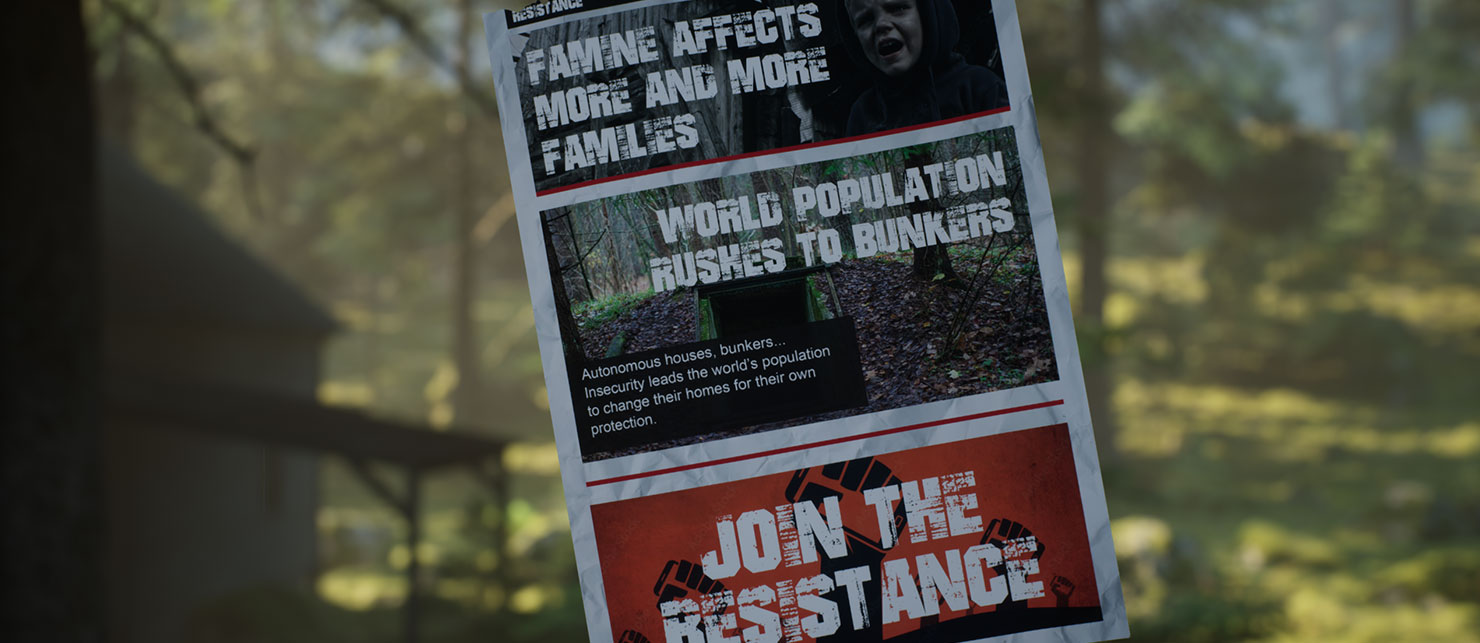
Flyer generator
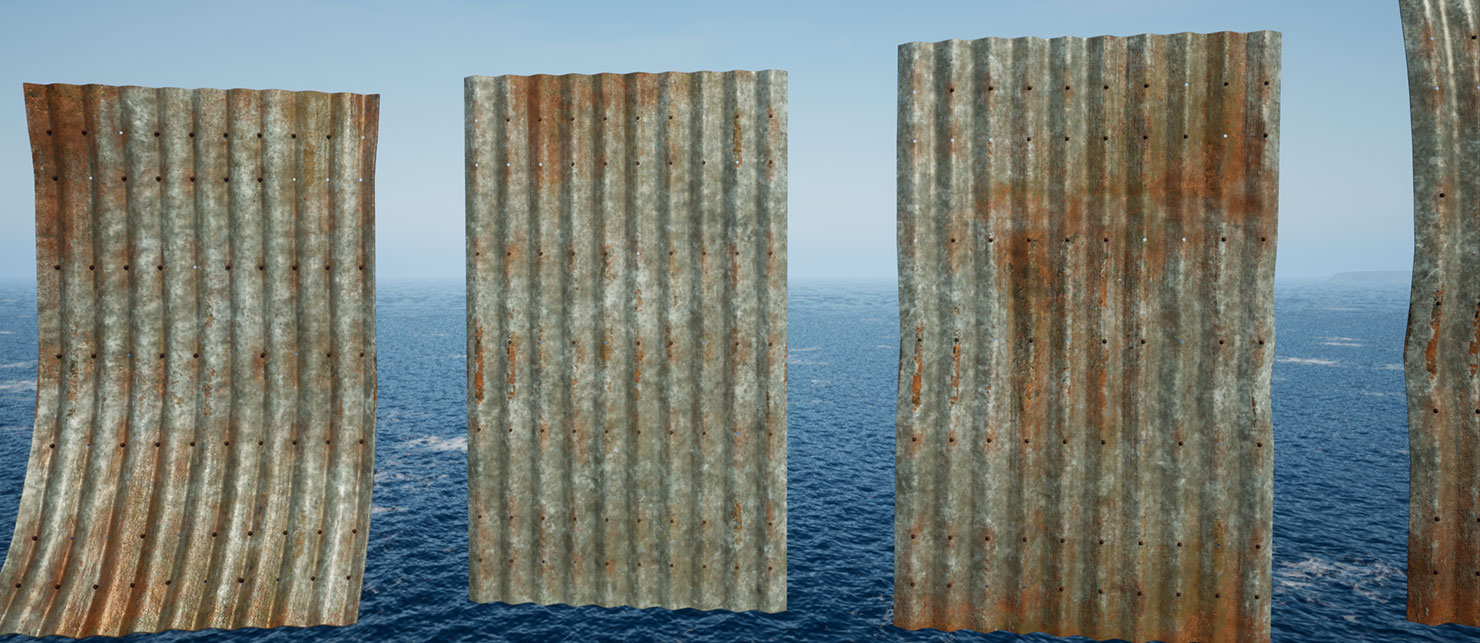
Reusable generic materials
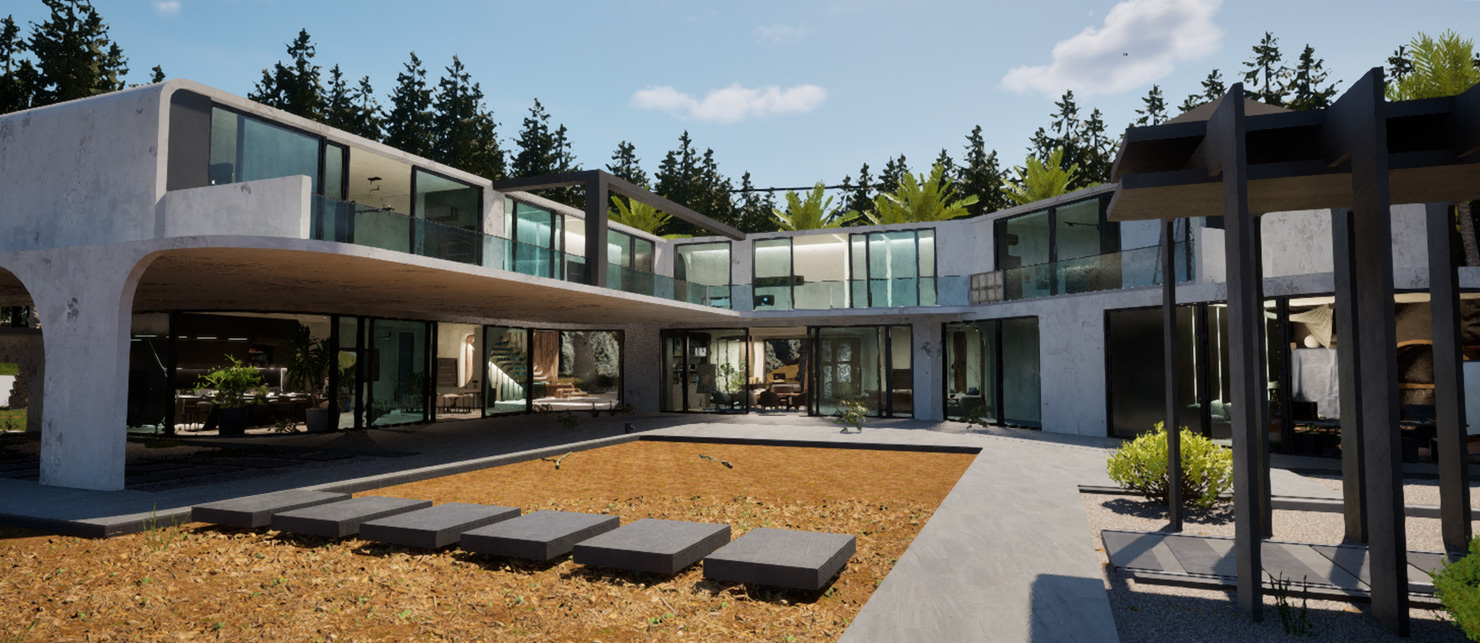
Starting island
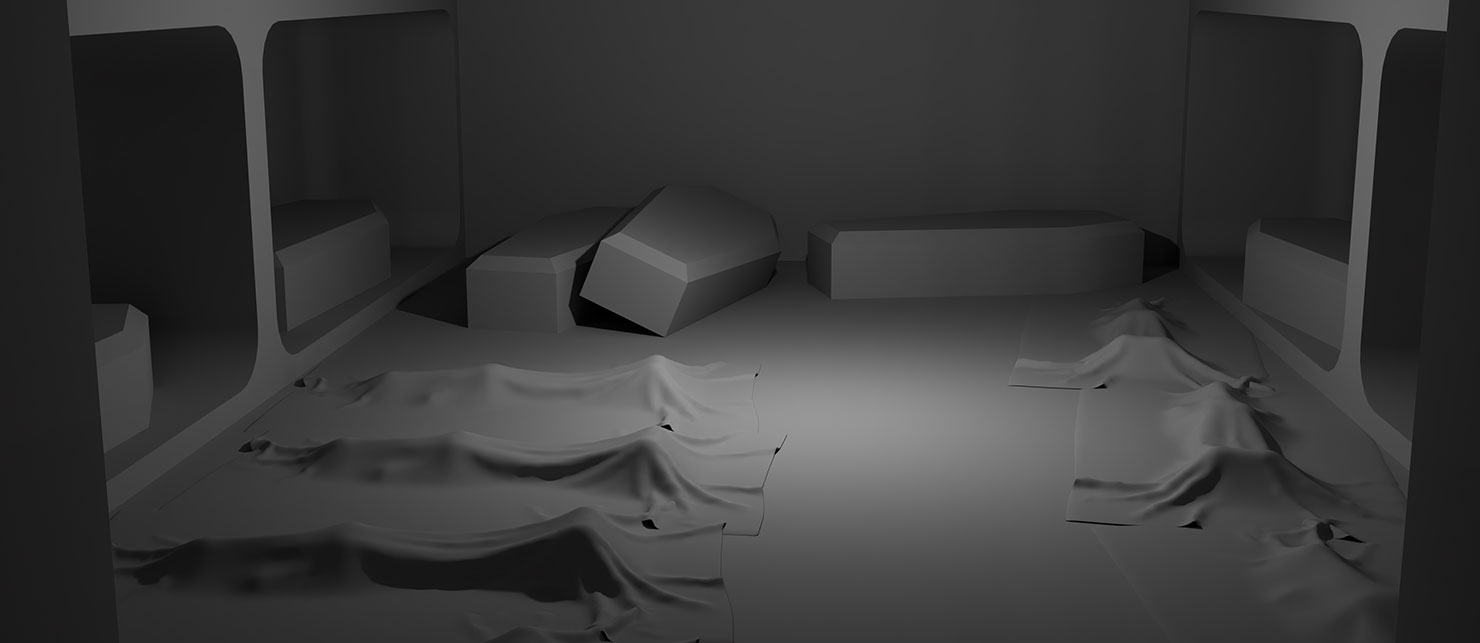
Catacombs props
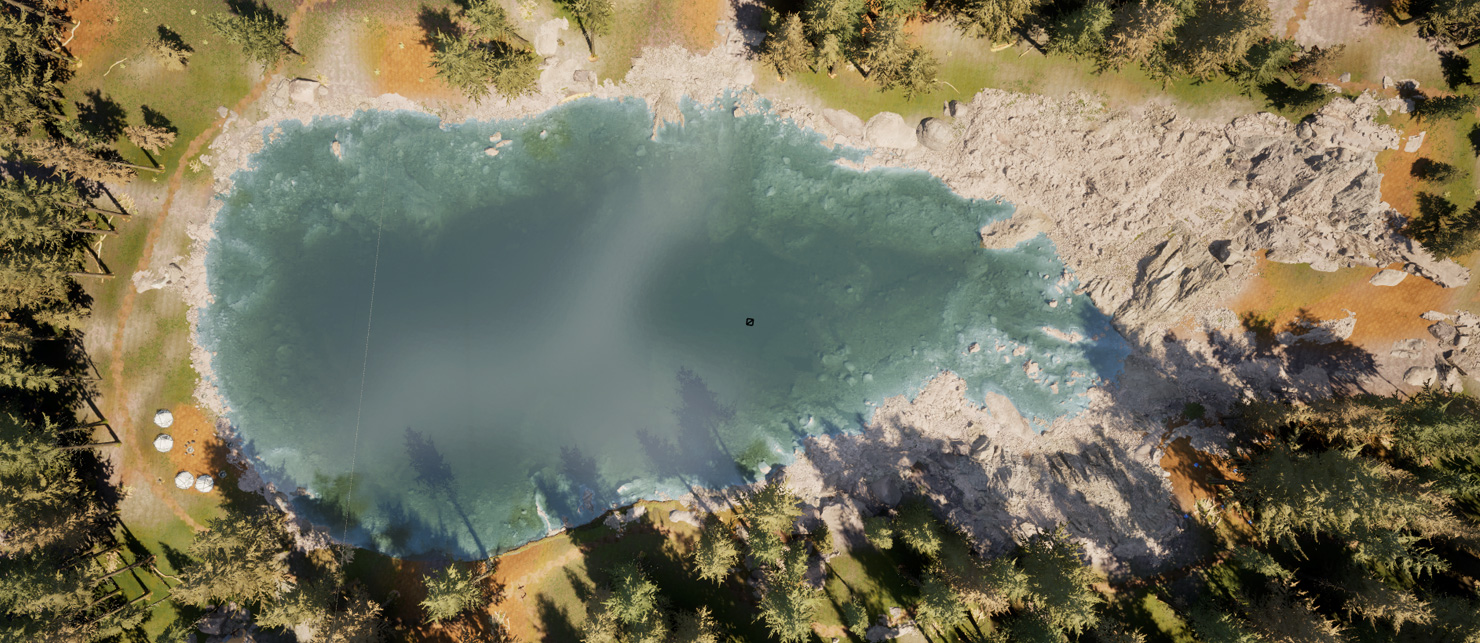
Lakes of different sizes with ecosystems

Monastery kitchen
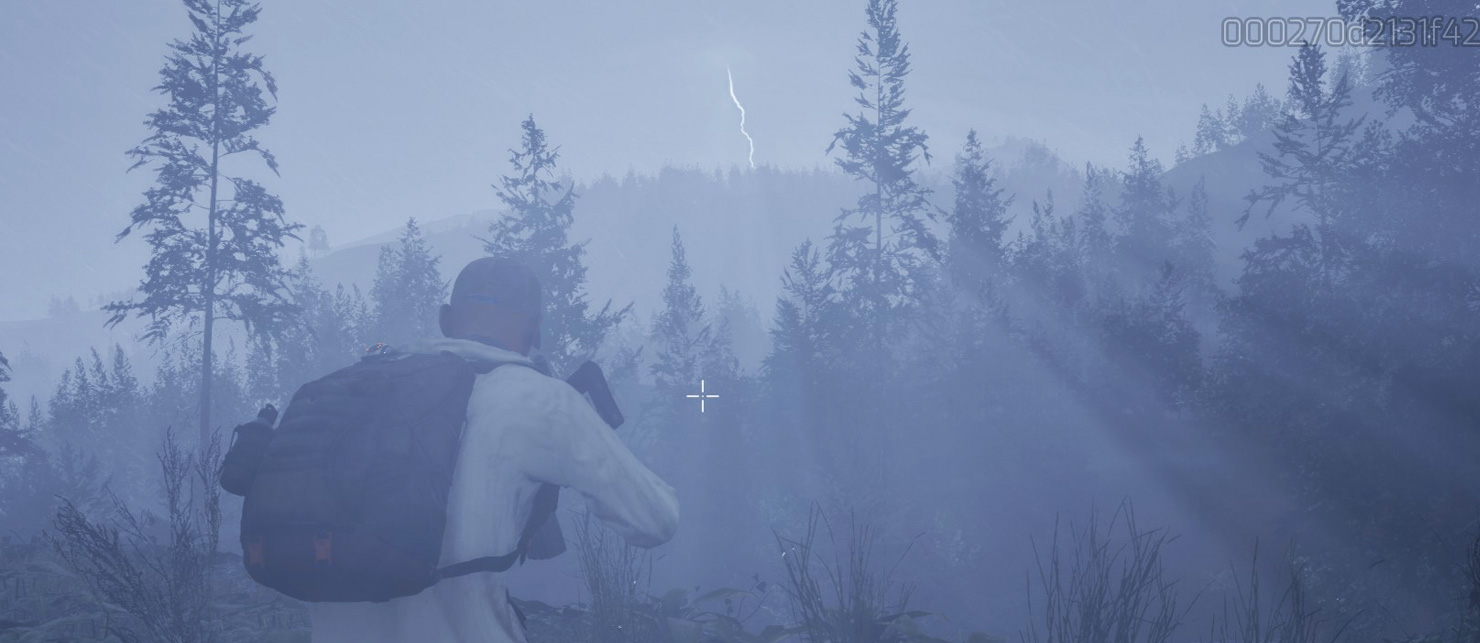
Violent storm events
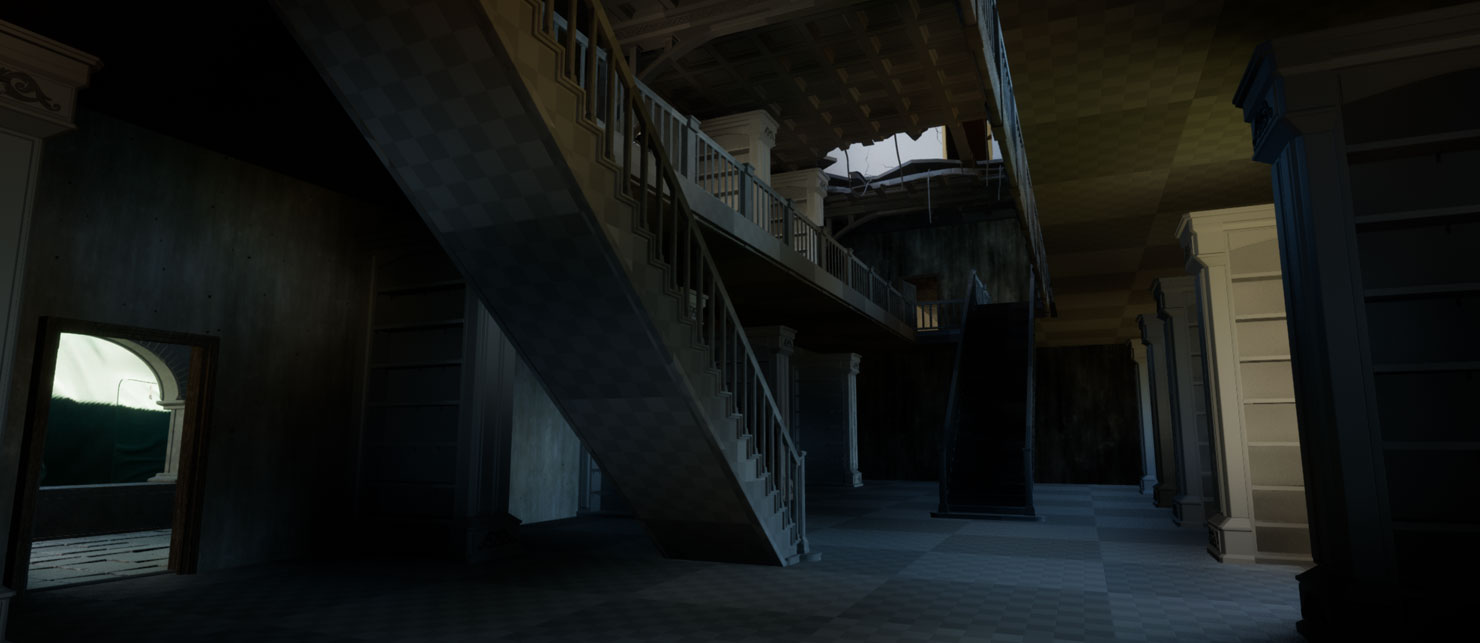
Library props
Underground bunker

Secondary rooms of the monastery
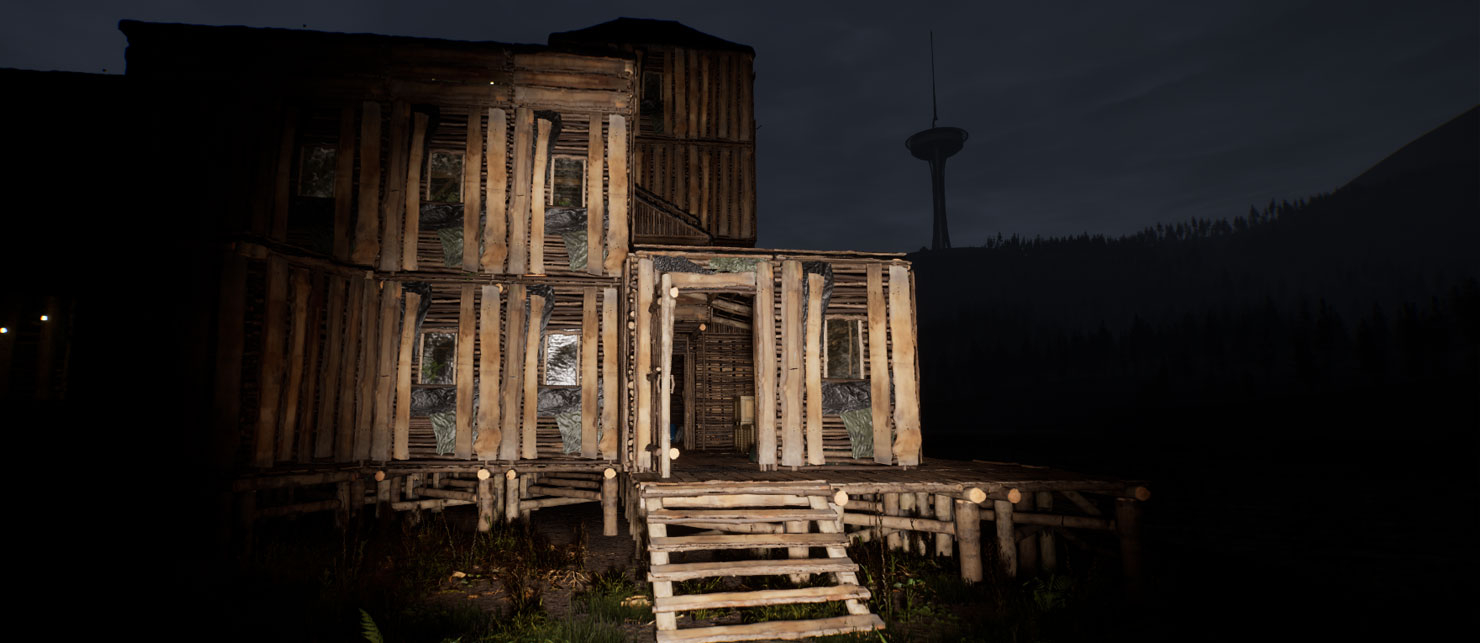
Day/night cycle and dynamic weather
Cabin by the lake
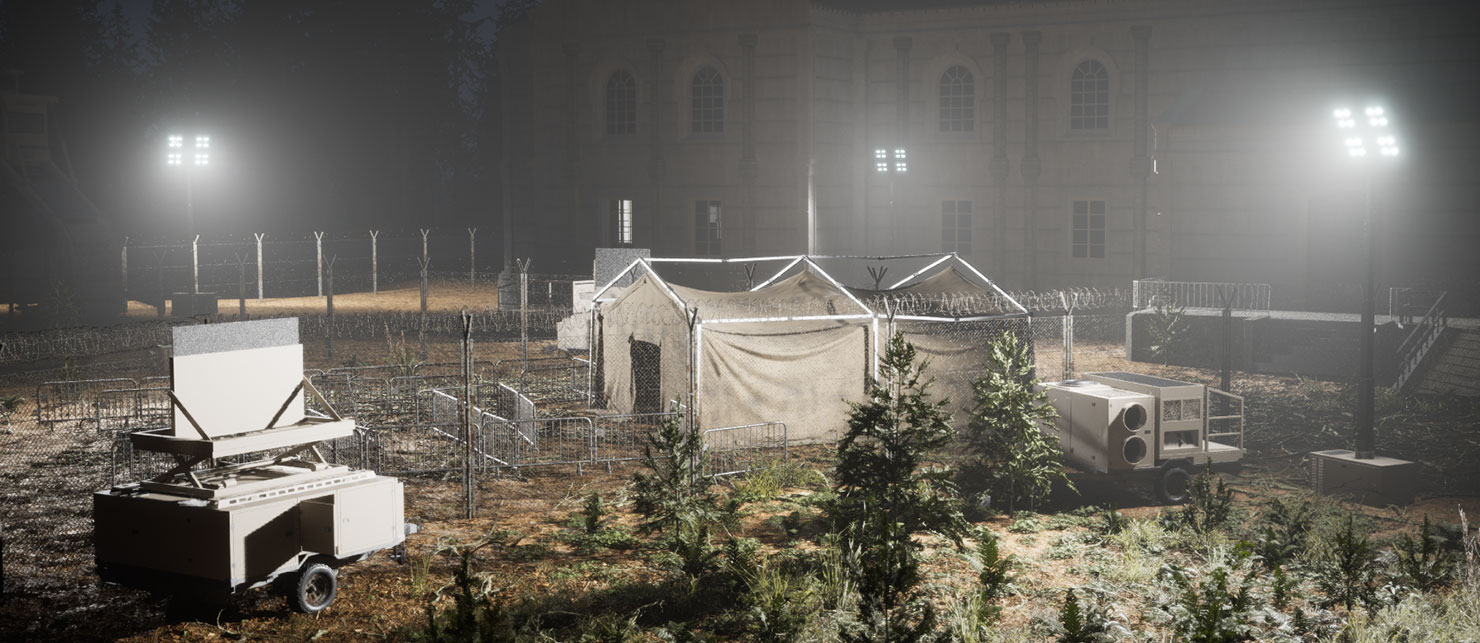
Post-apocalyptic layer of the monastery
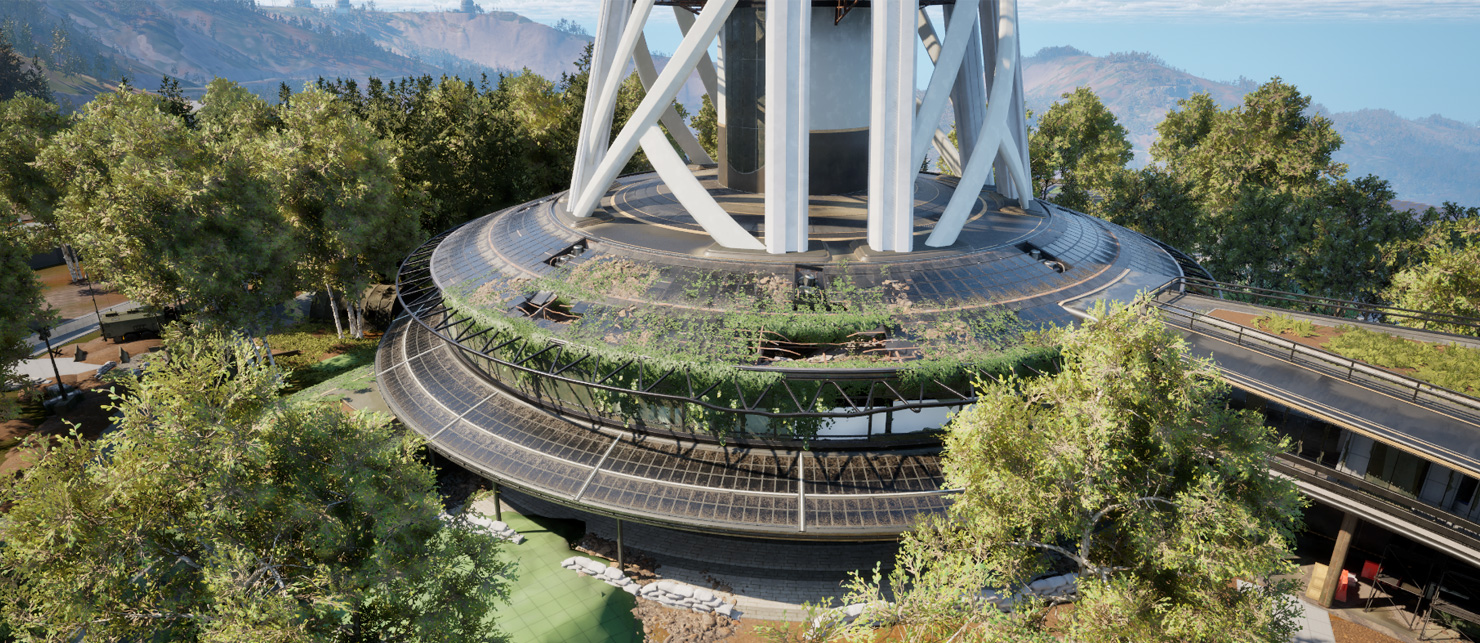
Communication tower exterior
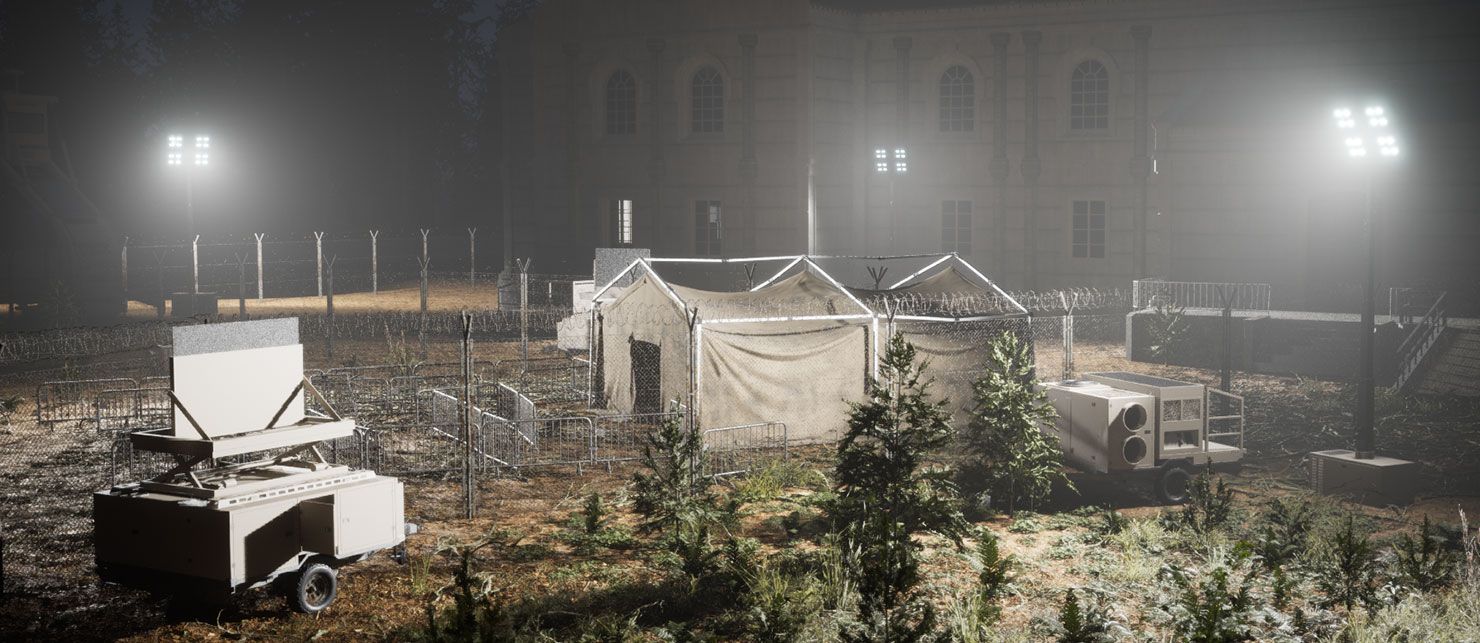
Environmental Design - Monastery Exterior
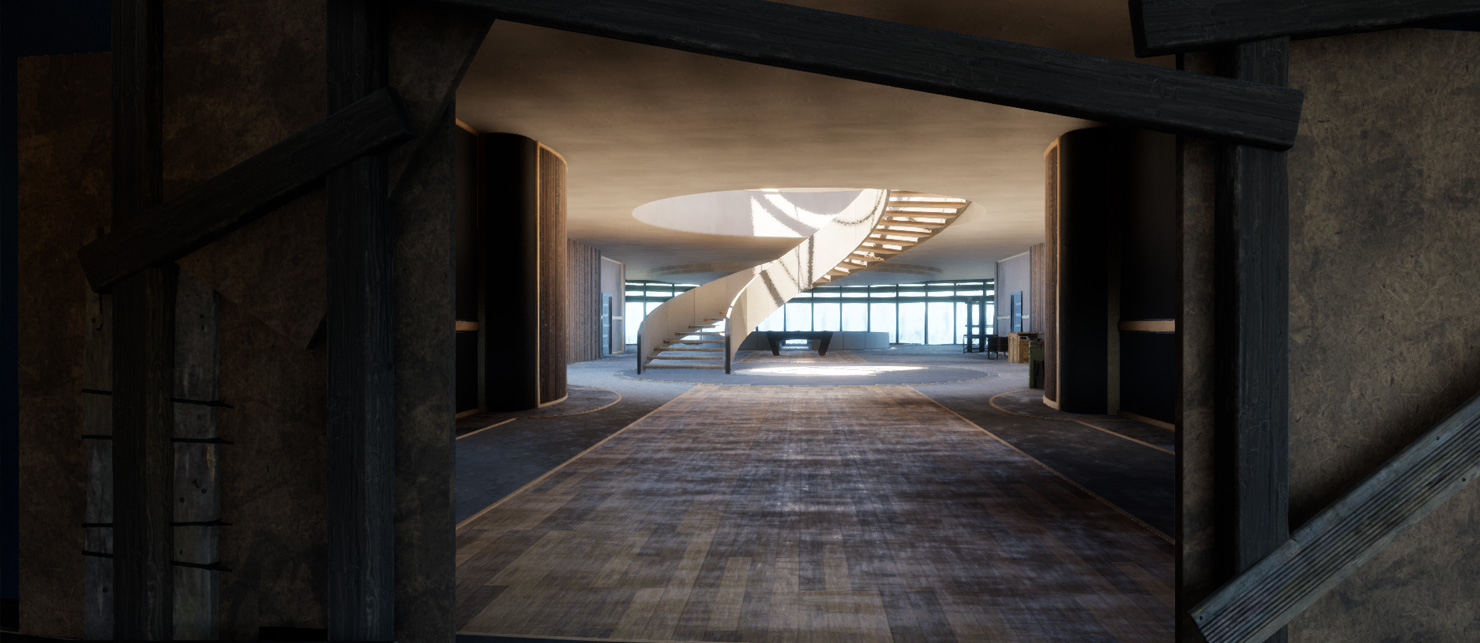
Communication tower interiors
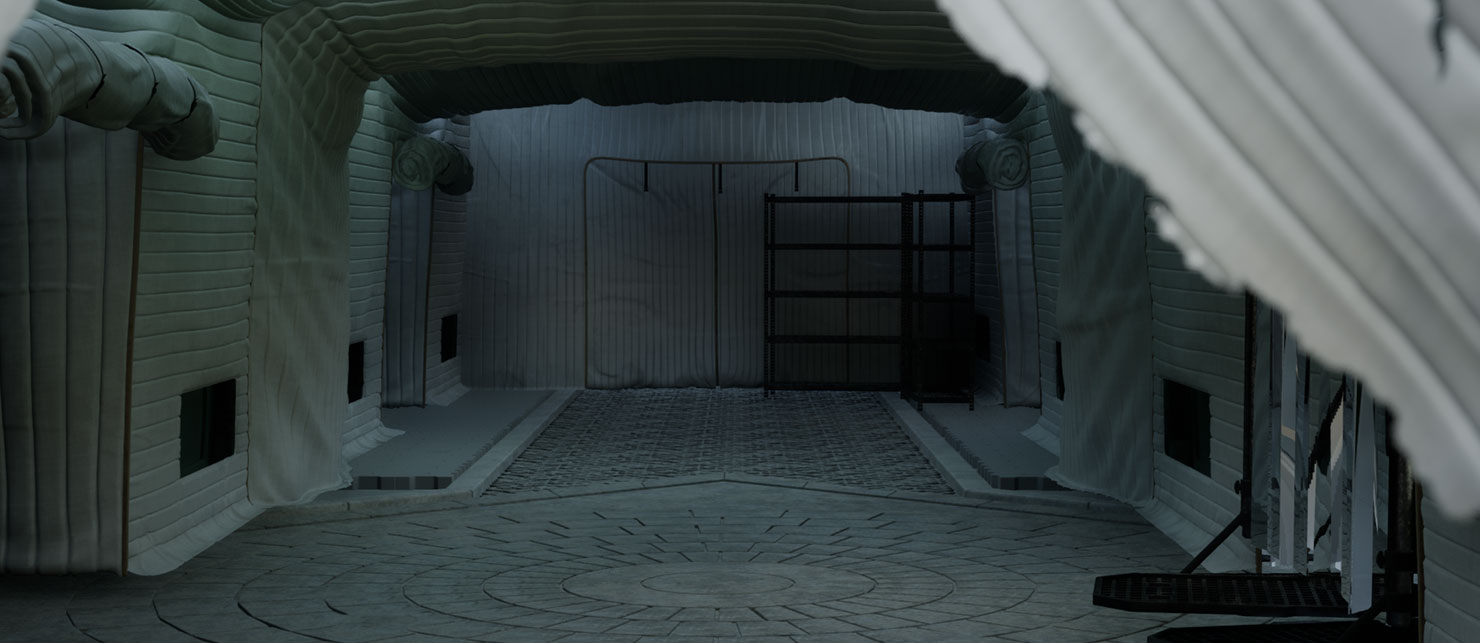
Military hospital structure
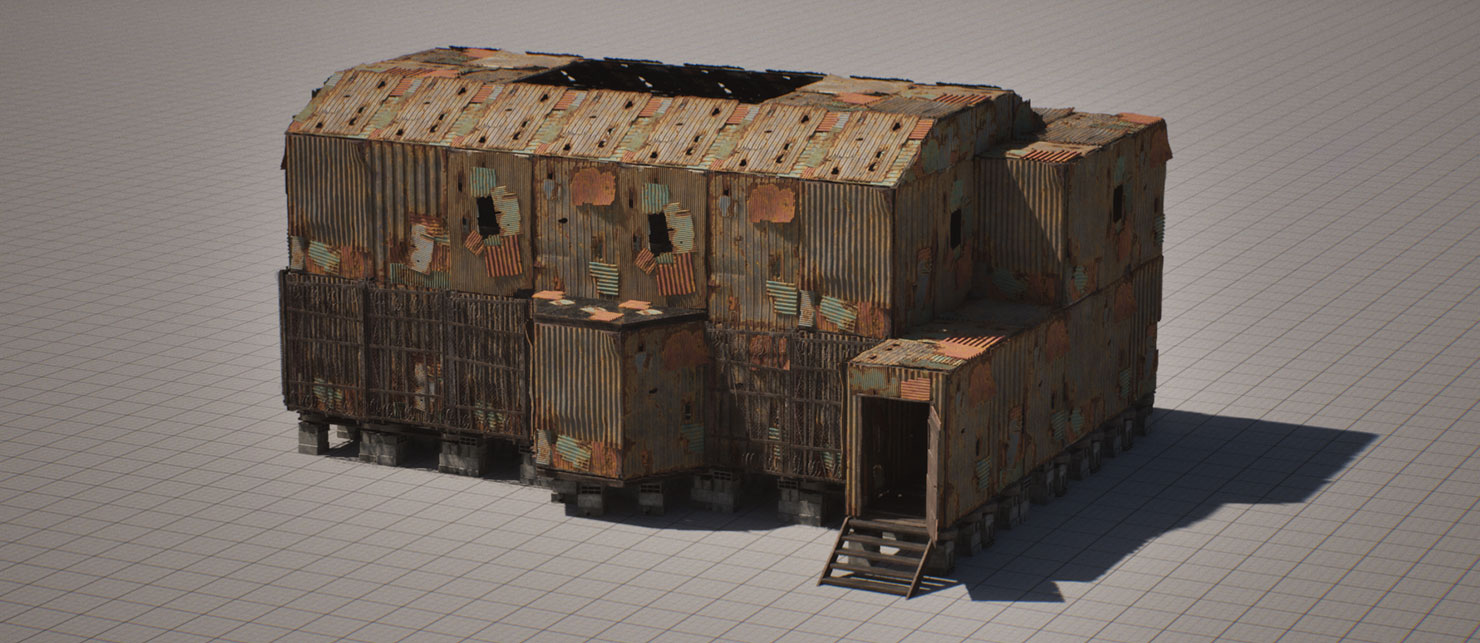
Design and modeling of Tiers 1 A
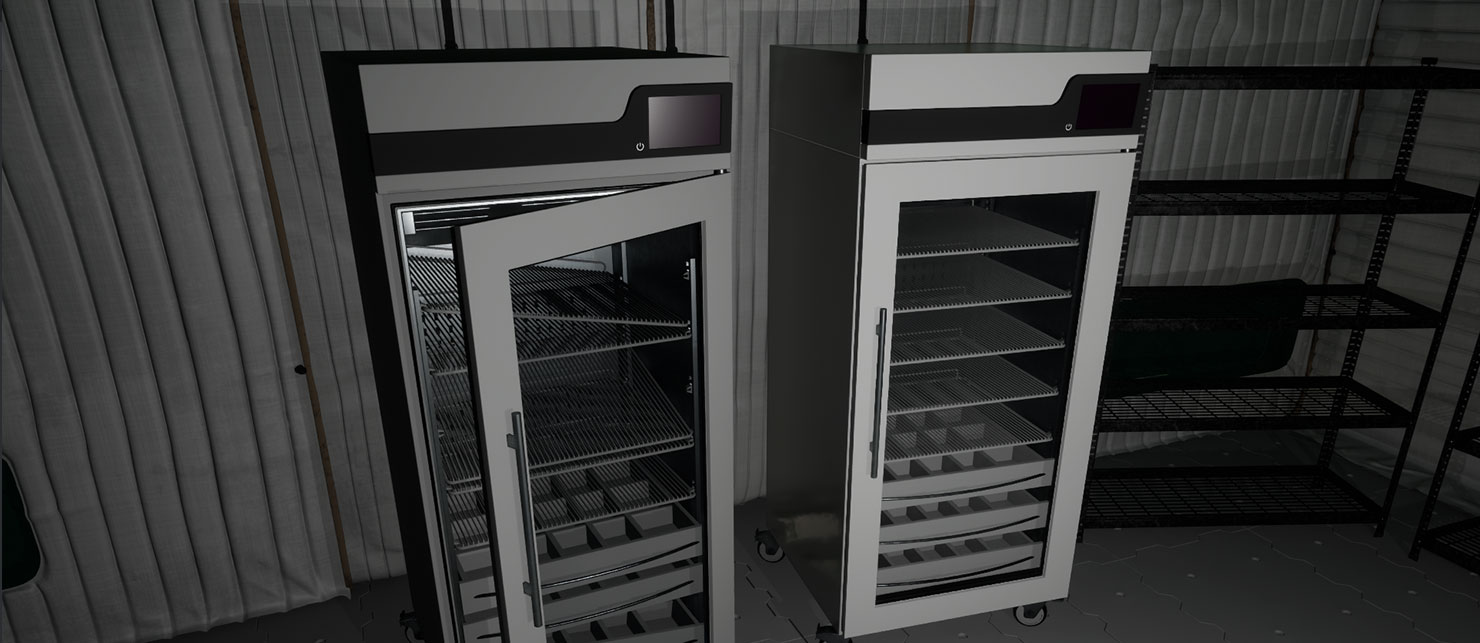
Military hospital laboratory props
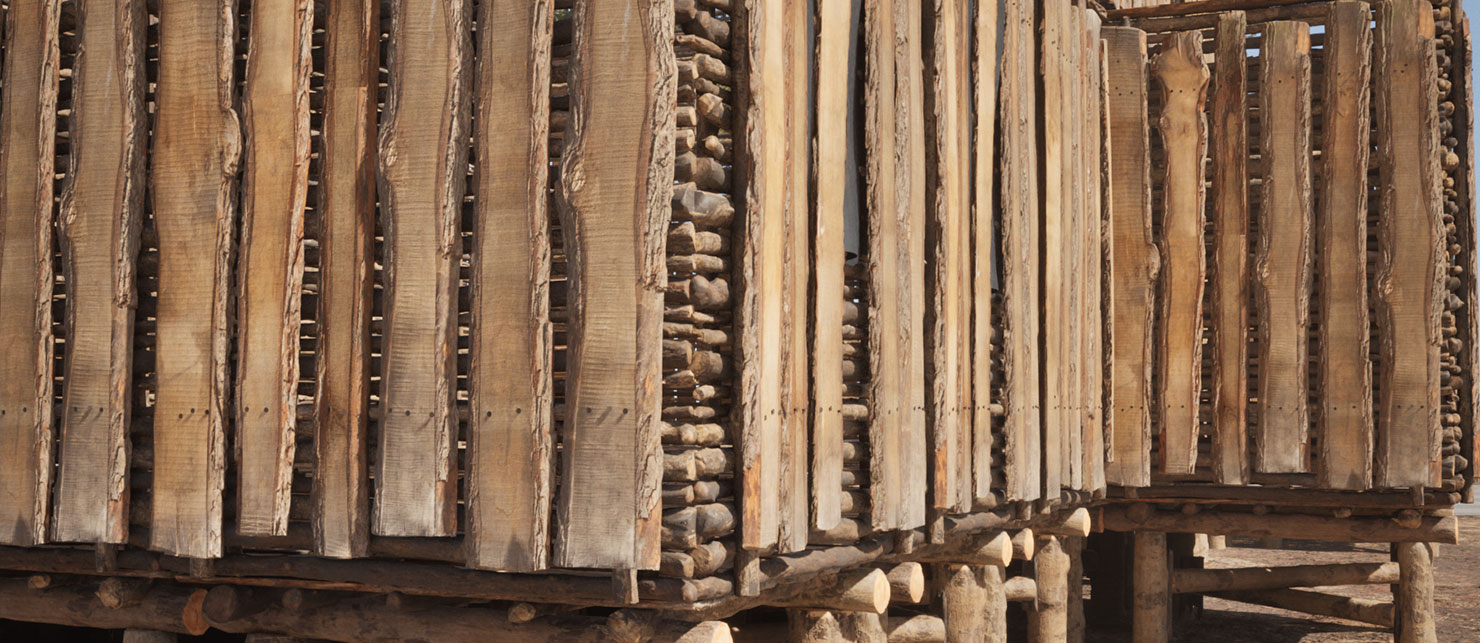
Creation of Tier 1.B constructions
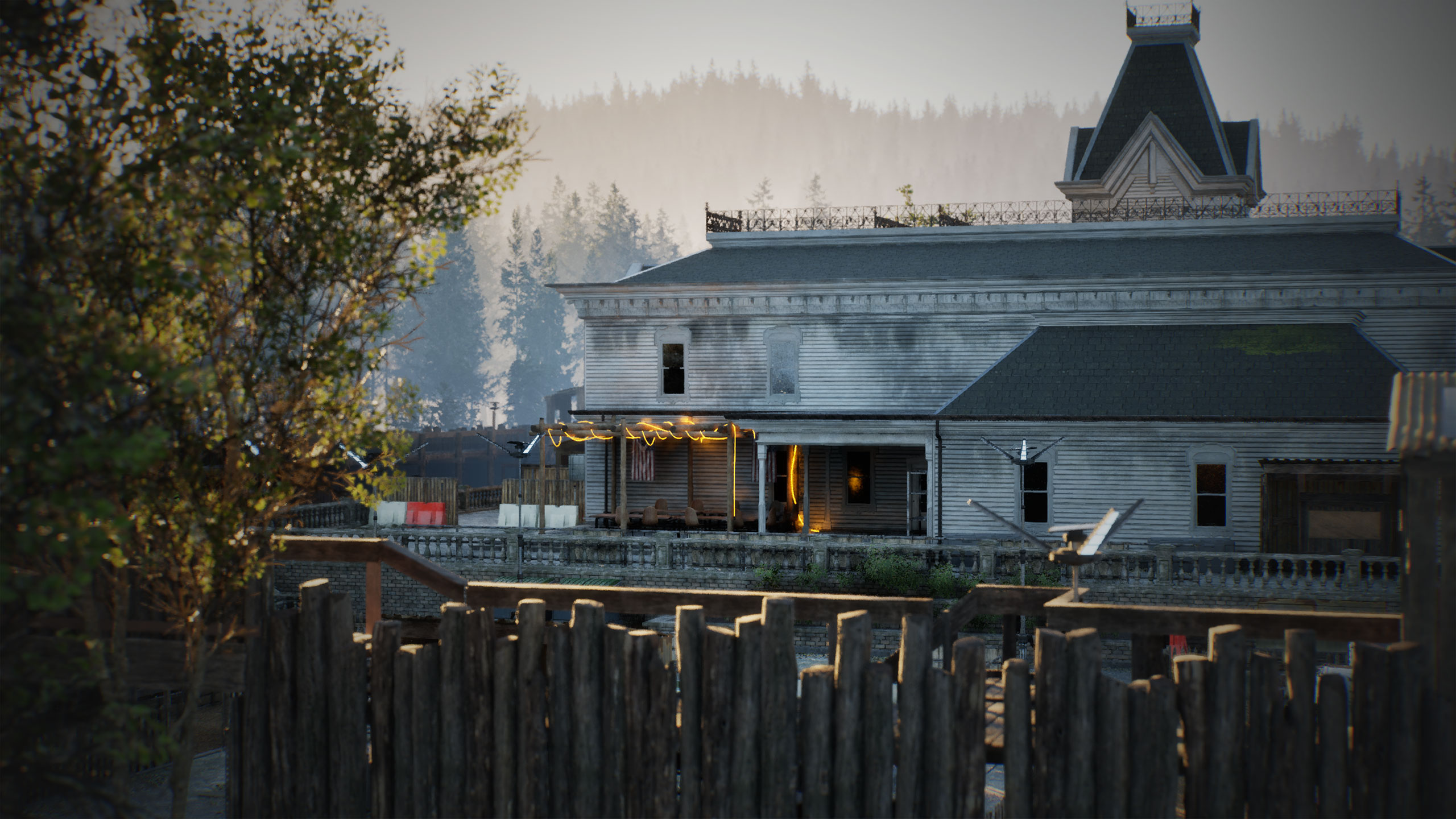
The Mansion
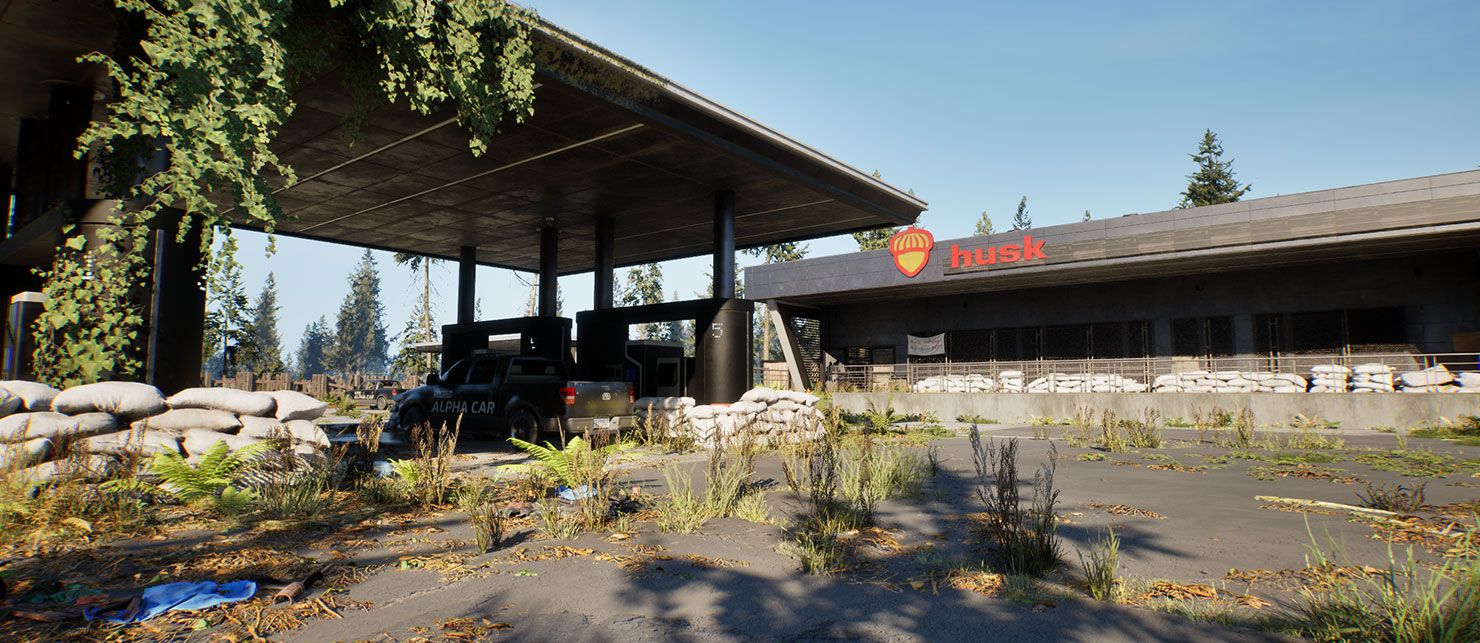
Modular gas station pack
Deepening the ambient audio into a living, reactive layer — silence ripples after gunshots, bird chorus dawns at sunrise, low health dulls the high frequencies, and every biome breathes its own sound.
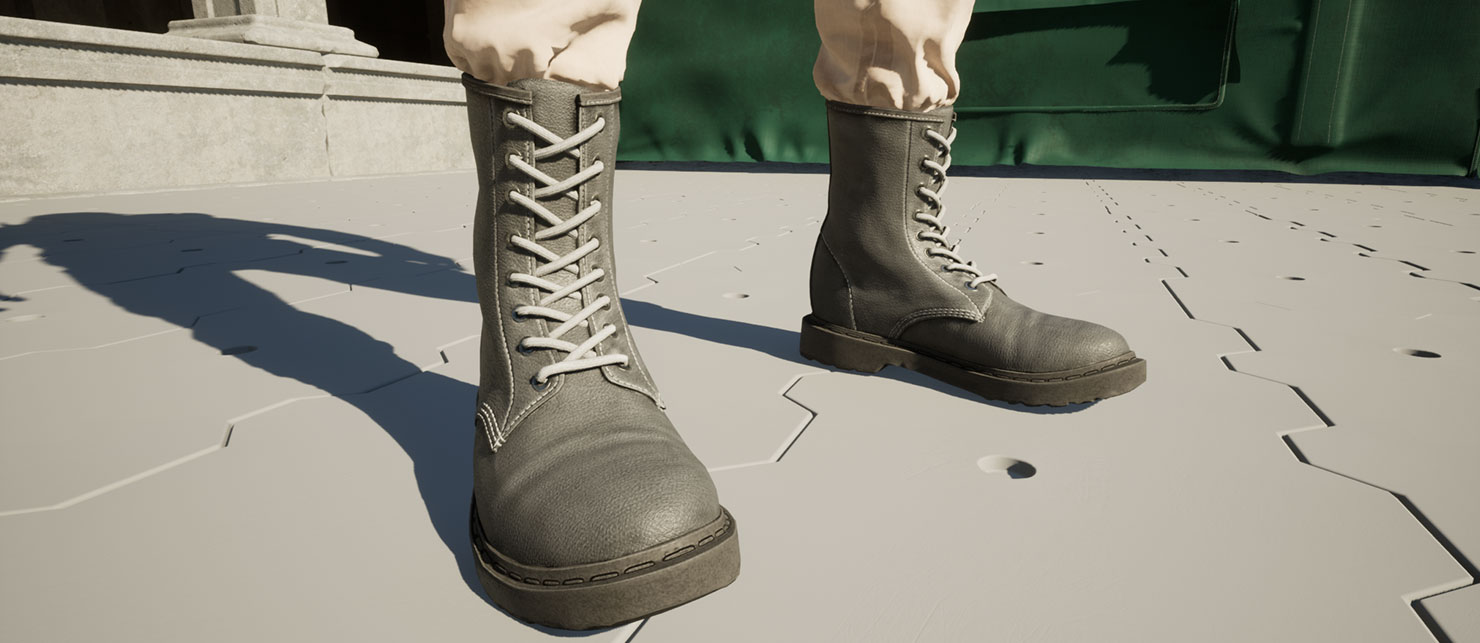
Dynamic footstep sounds
Ambient sounds
Ongoing rework of the public roadmap to live natively on rootedthegame.com — clickable cards, in-page vote modal, and polished layout aligned with the rest of the site.
Bringing two focused player screens — inventory for gear and weight, medical journal for wounds, diseases, and afflictions — kept separate so each one stays clean instead of becoming a god menu.
Bringing in a clean compass band on the HUD with smooth headings and marker tracking, rendered natively for crisp readability in any light.
Rebuilding the entire main menu as a native, code-driven frontend: session hosting and joining, options, and cloud-backed saves all in one cohesive flow, with a full visual design pass still to come.
A dedicated roadmap page is now part of the official site, giving full visibility on what's shipped, in progress, and planned for Early Access.
Patch notes UI fully reworked — readable history of what changed in each build, browsable inside the game and ready for the Early Access cadence.
News feed inside the main menu reworked for the Early Access window so studio updates reach players without leaving the game.
Credits screen rebuilt from the ground up — full team credits browsable in-game, ready for the Early Access release.
NDA sign-in is now fully in-game — read, accept, and get into the Early Access build without leaving the title screen.
A radial quick-use wheel for consumables and tools: hold to open, flick to pick, with gamepad-friendly selection and stack counts at a glance.
Notifications system

Complete controller support